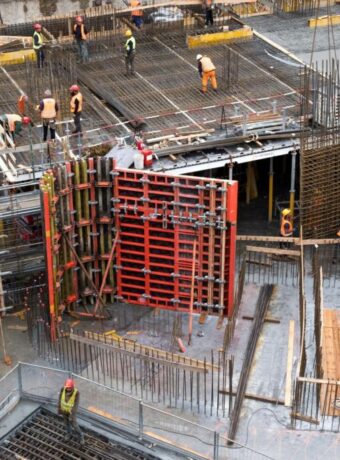

Wellington Trades & Construction Skills Shortage Crisis Deepens as Infrastructure Projects Stall
Wellington’s trades and construction sector is experiencing its worst skills shortage in two decades, with vacancy rates hitting 40% across key trades and forcing delays on infrastructure projects worth $2.3 billion. The crisis is now threatening the capital’s economic recovery and urban development plans.
At a glance
- Wellington construction vacancy rates have reached 40% for electricians, plumbers, and carpenters
- Major infrastructure projects including Let’s Get Wellington Moving worth $2.3 billion face significant delays
- Immigration settings changes have reduced skilled migrant intake by 35% since 2024
- Average trade wages in Wellington have increased 23% in 18 months to attract workers
- Housing construction permits down 28% year-on-year due to labour constraints
Skills shortage reaches critical levels
The Wellington region is grappling with an unprecedented shortage of skilled tradespeople that has reached crisis proportions. Key vacancy statistics reveal:
- Electricians: 42% vacancy rate across residential and commercial projects
- Plumbers: 38% unfilled positions region-wide
- Carpenters and joiners: 35% shortage impacting housing and infrastructure builds
- Heavy machinery operators: 45% vacancy rate delaying major earthworks
- Concrete workers: 33% shortfall affecting foundation and structural work
According to Construction News, the shortage has reached levels not seen since the Christchurch rebuild period, with Wellington now competing directly with Auckland for the same limited pool of skilled workers.
Infrastructure project delays mounting
The skills shortage is having immediate impacts on Wellington’s major infrastructure pipeline:
- Let’s Get Wellington Moving: $2.3 billion transport programme facing 6-12 month delays on multiple components
- Wellington Hospital rebuild: $1.8 billion project struggling to secure sufficient electrical and mechanical contractors
- Social housing programme: Kāinga Ora developments delayed with 847 units pushed back to 2027-2028
- Three Waters infrastructure: Critical pipe replacement programme running 18 months behind schedule
- Commercial developments: 12 major office and retail projects suspended or delayed indefinitely
Immigration policy impact
Changes to immigration settings have significantly constrained the traditional source of skilled construction workers:
- Work visa approvals: Down 35% from 2024 levels for construction trades
- Residency pathway changes: Increased points threshold from 160 to 180 for trade occupations
- Skills assessment requirements: New mandatory 6-month assessment period for overseas qualifications
- Regional labour market test: Stricter evidence requirements for skill shortages
- Wage threshold increases: Median wage requirement now $31.41/hour, up from $27.76
Wage inflation accelerating
Competition for available workers has driven significant wage increases across Wellington’s construction sector:
- Qualified electricians: Average rates increased from $38/hour to $47/hour (23% increase)
- Licensed plumbers: Commercial rates now $45-52/hour, up from $36-42/hour
- Experienced carpenters: Premium rates reaching $48/hour for complex projects
- Project managers: Salaries increased 18% to average $125,000-$145,000
- Site supervisors: Base rates up 21% to $85,000-$95,000 annually
Training pipeline inadequate
Current training and apprenticeship programmes are failing to meet demand:
- Wellington Institute of Technology: Only 340 construction apprentices enrolled, down from 520 in 2023
- Completion rates: 68% apprenticeship completion rate, below national average of 72%
- Industry training organisations: Struggling with 15% reduction in employer participation
- Government funding: Apprenticeship Boost Scheme ending in December 2026
- Age demographics: 47% of Wellington tradespeople over 50 years old, indicating upcoming retirement wave
Housing sector consequences
The skills shortage is directly impacting Wellington’s already constrained housing market:
- Building consents: Down 28% year-on-year to 2,847 new dwelling consents
- Construction timeframes: Average house build now taking 14-18 months, up from 10-12 months
- Development costs: Increased 15-20% due to wage inflation and project delays
- Social housing delivery: Government targets of 1,200 new units in Wellington region unlikely to be met
- Renovation market: 6-month waiting lists for major home improvements
Industry response strategies
Construction companies and contractors are implementing various strategies to address workforce constraints:
- Prefabrication adoption: 35% increase in off-site construction methods to reduce on-site labour requirements
- Technology integration: Investment in automated concrete pouring and digital measurement tools
- Cross-training programmes: Multi-skilled workers covering electrical, plumbing, and carpentry basics
- Retention bonuses: Companies offering $5,000-$15,000 retention payments for key trades
- Flexible working: 4-day weeks and compressed hours to attract workers from other regions
Impact
Wellington’s construction skills shortage represents a fundamental constraint on the capital’s economic growth and urban development ambitions. The immediate implications include delayed infrastructure delivery, increased project costs, and reduced housing supply in an already tight market. The 40% vacancy rates across key trades suggest this crisis will persist well into 2027 unless significant policy interventions occur.
For Wellington businesses, the shortage means higher construction costs, extended project timelines, and increased competition for available contractors. Companies should budget for 15-25% cost increases and factor in 6-12 month delays for any construction projects. The wage inflation cycle is likely to continue, with trades workers commanding premium rates and retention becoming increasingly challenging.
The broader economic impact extends beyond construction, affecting Wellington’s ability to deliver critical infrastructure, maintain its status as a desirable business location, and address the housing crisis. Without urgent action to increase immigration pathways, boost training programmes, and improve productivity through technology adoption, Wellington risks falling further behind in New Zealand’s economic recovery.