
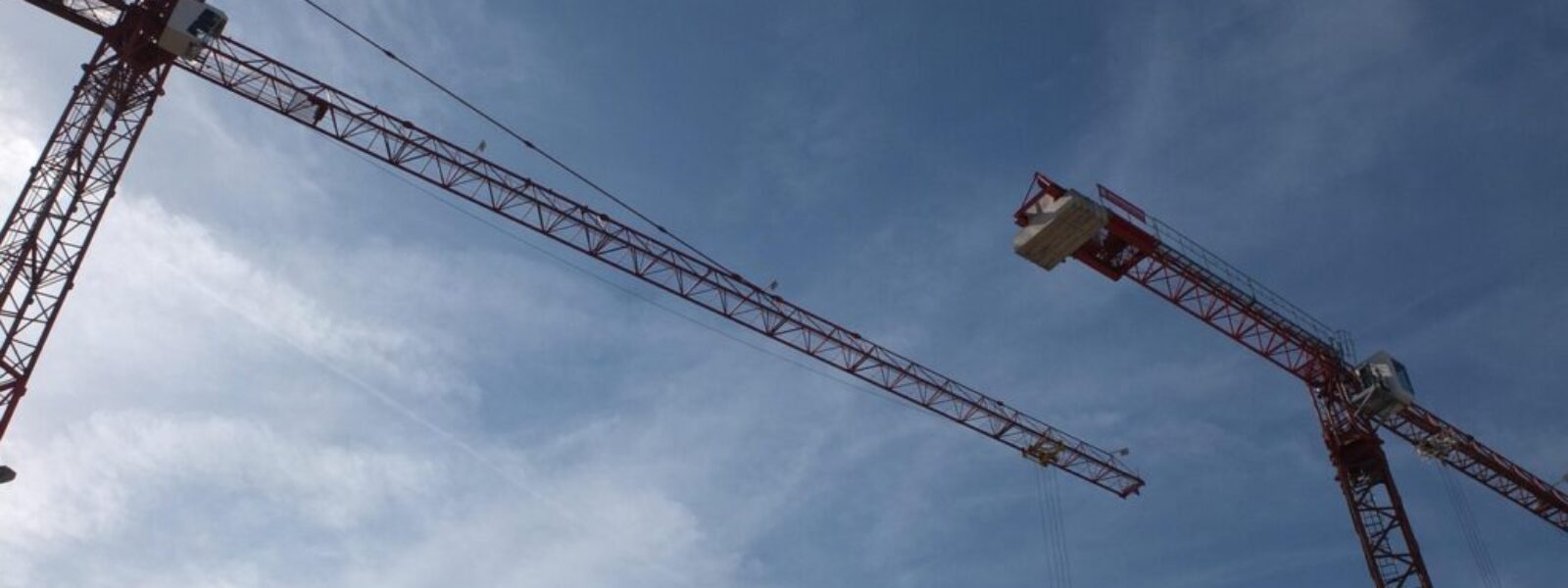
NZ Stocks Face Headwinds as Infrastructure Spending Cuts Hit Construction Sector
NZ stocks in the construction and infrastructure sectors are experiencing significant pressure as government spending cuts begin to impact project pipelines. Fletcher Building and Infratil shares have declined sharply, reflecting broader market concerns about reduced public investment.
1. Market reaction intensifies — The NZX 50 has shed 180 points over the past week, with construction-related NZ stocks bearing the brunt of selling pressure. Fletcher Building dropped 8.5% to $4.22, while Infratil fell 6.2% to $8.95 as investors reassess earnings forecasts amid tightening government budgets. The broader infrastructure theme that powered many NZ stocks through 2024 and early 2025 is now unwinding as fiscal reality sets in.
2. Government spending pivot creates uncertainty — Finance Minister Nicola Willis’s announcement of a 15% reduction in infrastructure spending over the next two years has sent shockwaves through related NZ stocks. The cuts target roading, water infrastructure, and public building projects that have traditionally provided steady revenue streams for listed construction companies. According to NZ Herald, the market reaction reflects deeper concerns about the sustainability of infrastructure-dependent business models in a constrained fiscal environment.
3. Fletcher Building faces perfect storm — New Zealand’s largest construction company is grappling with multiple headwinds beyond government spending cuts. Rising interest rates have dampened residential construction demand, while material costs remain elevated despite recent commodity price softness. The company’s exposure to both government and private sector construction makes it particularly vulnerable to the current downturn, with analysts now forecasting a 20% decline in EBITDA for the 2026 financial year.
4. Infratil’s diversification strategy tested — While Infratil’s portfolio includes energy and telecommunications assets that provide some defensive characteristics, its significant exposure to Wellington Airport and renewable energy projects dependent on government support has weighed on the stock. The company’s recent acquisition of data centre assets was viewed positively, but investors are questioning whether this diversification is sufficient to offset infrastructure headwinds. Fund managers are particularly concerned about the timing of major capital expenditure commitments across Infratil’s portfolio.
5. Broader NZ stocks implications — The construction sector downturn is creating ripple effects across other NZ stocks, particularly in the materials and services sectors. Steel & Tube Holdings has fallen 12% this month, while Skellerup Holdings faces headwinds from reduced industrial demand. This pattern mirrors the 2011-2013 period when government austerity measures following the Canterbury earthquakes initially hurt construction stocks before the rebuild phase created a multi-year boom cycle.
6. Investor positioning shifts defensive — Portfolio managers are rotating away from cyclical NZ stocks toward more defensive plays in utilities and consumer staples. Contact Energy and Mercury have outperformed despite electricity sector challenges, while Spark New Zealand continues to attract defensive capital. The shift reflects a broader reassessment of growth assumptions that underpinned the infrastructure investment theme across NZ stocks over the past two years.
7. Outlook remains challenging — Market consensus suggests the pressure on construction and infrastructure-related NZ stocks will persist through 2026 as project cancellations and deferrals work through company pipelines. However, some analysts argue the sell-off has created attractive entry points for patient investors, particularly if interest rate cuts eventuate later this year. The key risk remains the duration and depth of government spending restraint, which could extend the downturn beyond current market expectations and force further earnings downgrades across affected NZ stocks.