New Zealand Trades & Construction Sector Faces Critical Skills Crisis as Major Infrastructure Projects Launch
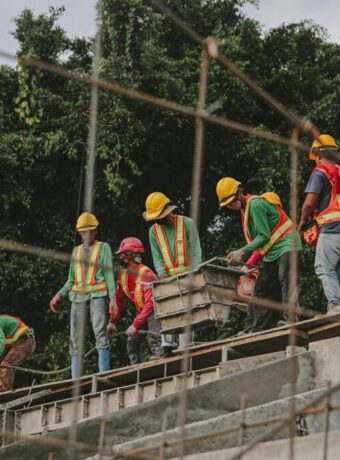
New Zealand’s trades and construction sector is confronting an unprecedented skills shortage as the government’s ambitious infrastructure programme accelerates. With major projects launching across the country and an aging workforce retiring faster than apprentices can be trained, the industry faces potential delays and cost blowouts that could reshape the nation’s building landscape.
The New Zealand trades and construction industry stands at a crossroads in 2026, with the sector experiencing its most acute labour shortage in decades just as the country embarks on its largest infrastructure investment programme since the 1980s. The confluence of retiring baby boomers, immigration policy changes, and an unprecedented pipeline of government-funded projects has created a perfect storm that threatens to derail construction timelines and inflate project costs across the nation.
Recent data from the Construction Industry Council reveals that the sector is short approximately 15,000 skilled workers, with particular gaps in electrical, plumbing, and specialized construction trades. This shortage has intensified as the government’s Fast-Track Infrastructure programme gains momentum, with projects valued at over $20 billion scheduled to commence over the next three years.
Infrastructure Boom Meets Labour Reality
The government’s commitment to rebuilding New Zealand’s infrastructure has created an enviable pipeline of work for construction companies, but the reality on the ground tells a different story. Major projects including the Auckland Light Rail extension, Wellington’s earthquake strengthening programme, and Christchurch’s ongoing rebuild have all reported delays directly attributed to labour shortages.
Master Builders Association chief executive David Kelly estimates that construction costs have increased by 18% over the past 12 months, with labour shortages being the primary driver. “We’re seeing companies turn down work because they simply don’t have the people to deliver it,” Kelly explains. “This is money being left on the table in an industry that should be thriving.”
The situation is particularly acute in specialized trades. Electrical contractors report waiting lists of up to six months for residential work, while commercial plumbing projects face similar delays. The knock-on effect is being felt across the entire construction ecosystem, with developers postponing projects and homeowners facing extended wait times for essential maintenance and upgrades.
Demographic Time Bomb Unfolds
The current crisis has been years in the making, with industry demographics painting a troubling picture. According to Statistics New Zealand, nearly 40% of workers in the construction sector are aged over 50, with retirement rates accelerating as the baby boomer generation exits the workforce. Meanwhile, apprenticeship completion rates have struggled to keep pace with demand, creating a widening gap between supply and demand for skilled labour.
The situation has been exacerbated by immigration policy changes that have made it more difficult for construction companies to recruit overseas workers. While the government has maintained that priority should be given to training New Zealanders, the timeline for developing a skilled domestic workforce extends far beyond current project deadlines.
Industry Training Organisation Building and Construction Industry Training Organisation (BCITO) reports that while apprenticeship enrolments have increased by 12% over the past year, completion rates remain concerning. Of those who begin apprenticeships, only 65% complete their training, with many citing low wages during training periods and the physical demands of the work as primary factors in their decision to leave.
Regional Disparities Create Additional Challenges
The labour shortage is not uniform across the country, with some regions facing more acute challenges than others. Auckland, despite having the largest pool of construction workers, faces the greatest shortfall due to the concentration of major infrastructure projects. The city’s construction sector is estimated to be short 8,000 workers, with residential construction bearing the brunt of the impact.
Conversely, regions like Taranaki and the West Coast report oversupply in certain trades as major industrial projects wind down. However, the mobility of workers between regions remains limited, with housing costs, family commitments, and established business relationships keeping workers tied to their local markets.
This regional imbalance has led to wage inflation in high-demand areas, with Auckland electricians commanding rates 25% higher than their counterparts in smaller centres. While this might appear to be a market correction, it has created additional challenges for residential construction in the country’s largest city, where housing affordability was already a critical issue.
Technology and Innovation: A Double-Edged Solution
The construction industry’s response to the labour shortage has accelerated adoption of new technologies and construction methods. Prefabrication has gained significant traction, with companies like Fletcher Building investing heavily in off-site manufacturing capabilities that require fewer on-site workers.
Digital tools and building information modelling (BIM) are also being deployed to improve efficiency and reduce the need for specialized on-site expertise. However, these technological solutions require their own skilled workforce, creating new training requirements just as the industry struggles to maintain traditional skill sets.
Some companies have embraced innovative approaches to workforce development. Auckland-based construction firm Hawkins has partnered with local secondary schools to create construction-focused academies, while others have introduced accelerated apprenticeship programmes that compress traditional four-year training into intensive 18-month courses.
Critical Analysis: Short-Term Fixes, Long-Term Consequences
While the government and industry bodies have announced various initiatives to address the skills shortage, the scale and timeline of proposed solutions appear mismatched with the immediacy of the crisis. The establishment of new polytechnic programmes and increased apprenticeship funding, while positive steps, will not produce qualified workers for several years.
More concerning is the industry’s increasing reliance on temporary fixes that may undermine long-term sustainability. The push towards lower-skilled workers filling traditional apprentice roles, while addressing immediate needs, risks degrading work quality and safety standards. Similarly, the acceleration of training programmes may produce workers with adequate technical skills but insufficient experience to handle complex problem-solving scenarios.
Historical precedent suggests caution is warranted. During the early 2000s construction boom, similar labour shortages led to corners being cut in both training and construction quality. The leaky building crisis that followed cost the country billions and damaged the construction industry’s reputation for decades. While building standards and oversight have improved significantly since then, the pressure to deliver projects quickly and cheaply creates similar risk conditions.
Economic Implications and Market Dynamics
The broader economic implications of the construction labour shortage extend well beyond project delays. Housing supply, already constrained by planning and land availability issues, faces additional pressure from reduced construction capacity. This dynamic is likely to maintain upward pressure on house prices, particularly in Auckland and Wellington where demand remains strong.
For existing construction businesses, the labour shortage presents both opportunity and risk. Companies with strong workforces can command premium pricing and select preferred projects. However, the same businesses face unprecedented wage inflation and staff retention challenges that threaten profit margins and operational stability.
The government’s infrastructure spending, intended to stimulate economic growth and improve productivity, may paradoxically constrain private sector construction activity as public projects absorb available labour capacity. This crowding-out effect could delay private commercial and residential developments, potentially offsetting some of the intended economic benefits.
Looking Forward: Strategic Responses Required
Addressing New Zealand’s construction labour shortage requires coordinated action across multiple fronts. Immigration policy may need recalibration to allow targeted recruitment of skilled construction workers while domestic training capacity is expanded. The industry itself must grapple with improving working conditions, career progression opportunities, and public perception to attract new entrants.
Technology adoption, while helpful, cannot be viewed as a panacea. The most successful construction markets globally maintain strong traditional trades alongside technological innovation. New Zealand’s approach must similarly balance innovation with the fundamental need for skilled craftspeople who can deliver quality work across diverse project types.
The current crisis also presents an opportunity to address long-standing issues within the construction sector. Improved training standards, better health and safety practices, and more sustainable construction methods could emerge from the current disruption, positioning the industry for stronger long-term performance.
The trades and construction sector’s labour shortage represents one of the most significant challenges facing New Zealand’s economic development plans. While the immediate focus must be on managing current project delivery, the industry’s long-term health depends on strategic workforce development that balances speed with quality, innovation with tradition, and economic necessity with sustainable practices. The decisions made over the next 12 months will likely shape the construction industry’s capacity and capability for the remainder of the decade.