New Zealand Trades & Construction Sector Faces Critical Skills Crisis as Major Infrastructure Projects Demand Workforce
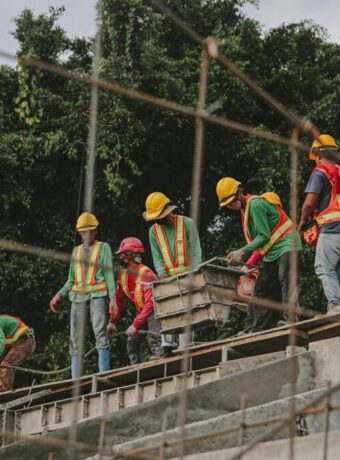
New Zealand’s trades and construction sector is experiencing an acute skills shortage crisis, with demand for qualified workers outstripping supply by an estimated 30,000 positions. This workforce gap threatens to derail major government infrastructure projects and housing developments across the country, forcing industry leaders to explore radical solutions including accelerated training programmes and unprecedented immigration policy changes.
The New Zealand construction industry finds itself at a critical juncture, caught between surging demand for infrastructure development and a shrinking pool of skilled tradespeople. As the government pushes forward with ambitious building programmes worth billions of dollars, the harsh reality of workforce limitations is becoming increasingly apparent across construction sites nationwide.
The current skills shortage in New Zealand’s trades and construction sector represents more than just a temporary labour market adjustment. Industry analysts suggest this crisis stems from a perfect storm of factors: an aging workforce approaching retirement, insufficient training programmes over the past decade, and the exodus of skilled workers to Australia during previous economic downturns.
Scale of the Construction Skills Crisis
Recent industry surveys reveal the extent of the workforce shortage plaguing New Zealand’s construction sector. The Building and Construction Industry Training Organisation (BCITO) estimates that the industry requires approximately 30,000 additional qualified workers to meet current demand, with particular shortages in electrical work, plumbing, carpentry, and project management roles.
According to Master Builders New Zealand, the situation has reached critical levels, with 89% of construction companies reporting difficulty finding qualified staff. This shortage is not merely affecting small residential builders but extends to major commercial and infrastructure projects across both islands.
The timing of this crisis could not be worse for New Zealand’s economic recovery plans. The government’s infrastructure-focused approach to post-pandemic economic stimulus relies heavily on construction activity, from housing developments to transport networks and renewable energy projects.
Government Infrastructure Spending Creates Perfect Storm
The New Zealand government’s commitment to substantial infrastructure investment has created unprecedented demand for construction workers. Projects such as the Auckland Light Rail, numerous hospital upgrades, school rebuilding programmes, and the ongoing housing development initiatives require thousands of skilled tradespeople.
Prime Minister Christopher Luxon’s government has allocated significant funding for infrastructure development, but these ambitious projects now face potential delays due to workforce constraints. The KiwiBuild programme, despite its various iterations and modifications, continues to require substantial construction capacity that simply does not exist in the current market.

Industry insiders report that major construction projects are experiencing delays of 6-12 months purely due to workforce availability. This bottleneck effect ripples through the entire economy, affecting housing supply, commercial development, and critical infrastructure upgrades needed for New Zealand’s growing population.
Training and Education System Shortfalls
The root causes of New Zealand’s construction skills shortage trace back to systemic issues within the training and education framework. Polytechnics and training organisations struggled through years of restructuring and funding changes, resulting in reduced capacity for trades training just when demand was beginning to surge.
The consolidation of polytechnics into Te Pūkenga created uncertainty and disruption in trades education delivery. Many experienced instructors left the sector during this transition, taking decades of industry knowledge with them. Meanwhile, apprenticeship numbers dropped significantly as employers became cautious about long-term training commitments during uncertain economic periods.
Current apprenticeship completion rates remain concerningly low, with approximately 40% of apprentices failing to complete their qualifications. This high dropout rate compounds the shortage problem, as resources invested in training fail to translate into qualified workers entering the market.
Regional Variations in Construction Workforce Demands
The skills shortage affects different regions of New Zealand unequally, creating additional complications for major infrastructure projects. Auckland’s construction boom has drawn workers from other regions, leaving rural and provincial areas particularly vulnerable to workforce shortages.
Canterbury’s ongoing rebuild requirements, while reduced from peak demand, continue to absorb significant numbers of skilled workers. Meanwhile, regions like Northland and the West Coast struggle to attract and retain construction workers, limiting their ability to develop essential infrastructure projects.
This regional imbalance has created a mobile workforce constantly chasing higher wages and better conditions, resulting in project delays and increased costs as contractors compete for available workers.
Critical Analysis and Industry Projections
The current trajectory of New Zealand’s construction skills crisis suggests several concerning outcomes if immediate action is not taken. Drawing parallels with Australia’s mining boom period, where skills shortages led to massive wage inflation and project cost blowouts, New Zealand faces similar risks.
Conservative projections indicate that without significant intervention, construction costs could increase by 15-20% annually over the next three years purely due to labour scarcity. This cost inflation would effectively price many New Zealanders out of homeownership and force the government to reconsider infrastructure spending priorities.
However, rapid solutions carry their own risks. Fast-tracking trades training could compromise quality and safety standards, potentially creating long-term problems in construction quality. Similarly, massive increases in skilled migration might provide short-term relief but could undermine local training initiatives and wage structures.
The industry’s historical boom-bust cycles suggest caution in any response. Previous construction booms in New Zealand have ended abruptly, leaving oversupplied labour markets and training infrastructure. The challenge lies in scaling up workforce capacity without creating unsustainable employment levels when demand inevitably moderates.
Innovation and Technology Solutions
Some forward-thinking construction companies are exploring technological solutions to address workforce shortages. Prefabrication, modular construction, and automated building techniques could potentially reduce labour requirements while maintaining output levels.
However, these technological approaches require significant capital investment and retraining of existing workers. The construction industry’s traditionally conservative approach to new methods may limit the speed of adoption, particularly among smaller operators who dominate much of New Zealand’s construction sector.
Immigration Policy and Workforce Solutions
The government faces pressure to expedite skilled migration processes for construction workers, but this approach carries political and economic risks. Previous reliance on overseas workers created vulnerability when international borders closed during the pandemic, highlighting the importance of developing domestic training capacity.
Current immigration settings prioritise skilled workers, but processing times and qualification recognition procedures create barriers to rapid workforce expansion. Industry groups advocate for streamlined visa processes and expanded recognition of overseas qualifications, particularly for countries with similar building standards and practices.
Future Outlook and Recommendations
The resolution of New Zealand’s construction skills crisis requires coordinated action across government, industry, and education sectors. Short-term measures must focus on maximising existing workforce productivity while medium-term strategies develop sustainable training pipelines.
Success will likely require a combination of approaches: enhanced apprenticeship support, improved training completion rates, strategic immigration policy adjustments, and adoption of productivity-enhancing technologies. The alternative – continued skills shortages – threatens to undermine New Zealand’s economic recovery and infrastructure development goals.
The construction industry’s ability to adapt and innovate during this crisis period will determine not only project delivery outcomes but also the sector’s long-term competitiveness and sustainability. With major infrastructure projects hanging in the balance, the urgency for comprehensive workforce development strategies has never been greater.