New Zealand Exports Face Headwinds as China Demand Softens and Shipping Costs Rise
New Zealand’s export sector is grappling with declining Chinese demand and persistently high shipping costs, threatening the country’s economic recovery as key commodity prices weaken. Trade data reveals export volumes to China dropped 8.2% in February compared to the same period last year, while freight rates remain 40% above pre-2020 levels.
- Export volumes to China fell 8.2% year-on-year in February 2026
- Dairy prices at global auctions declined 12% over past three months
- Shipping costs remain 40% higher than pre-pandemic levels
- Beef and lamb export values down 15% compared to February 2025
- Kiwifruit exports showing resilience with 6% growth to European markets
China’s economic slowdown is hitting New Zealand’s largest export market hard, with dairy and meat shipments bearing the brunt of reduced consumer spending across the mainland. Fonterra’s latest global dairy trade auction saw whole milk powder prices fall another 3.1% this week, marking the fourth consecutive decline.
“We’re seeing a perfect storm of reduced demand and elevated costs that’s squeezing exporters from both ends,” said ANZ senior economist Miles Workman. “The Chinese consumer is pulling back on premium protein purchases while our cost base remains stubbornly high.”
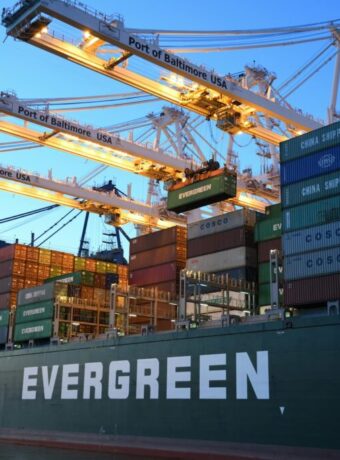
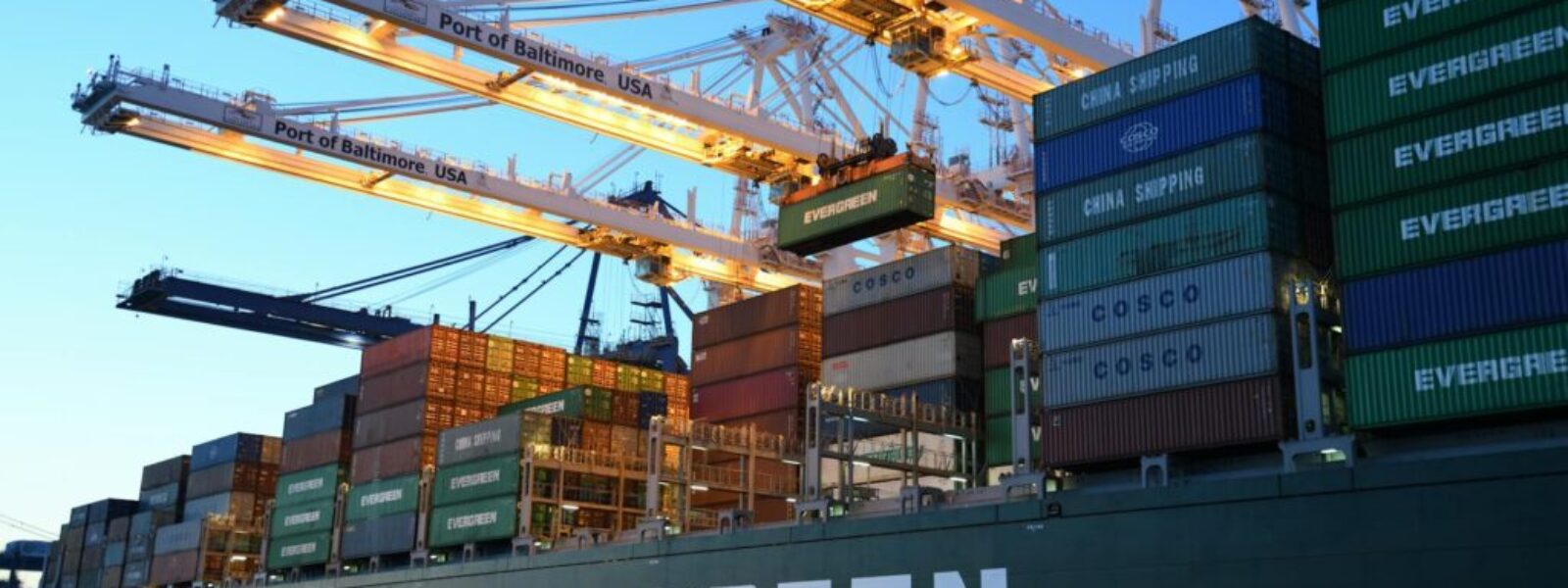
Shipping disruptions continue to plague New Zealand exporters, with container rates from Auckland to Shanghai sitting at US$2,400 per twenty-foot equivalent unit compared to US$1,700 in early 2020. The Red Sea crisis has forced carriers onto longer routes, adding 10-14 days to delivery times for European-bound cargo.
Meat sector feels the pinch
The red meat sector is experiencing its sharpest downturn since 2019, with beef export values dropping 18% and lamb falling 12% in February compared to the previous year. Silver Fern Farms chief executive Dan Boulton warned that processors may need to reduce capacity if current trends continue.
According to Statistics New Zealand, the country’s total merchandise exports fell to $5.8 billion in February, down from $6.2 billion in the same month last year.
“We’re having to be much more selective about which markets we target and at what price points,” Boulton explained. “The days of premium pricing across all categories are temporarily behind us.”
Dairy giant Fonterra has responded by pivoting toward higher-margin nutritional products and infant formula, though these segments represent a smaller volume base. The cooperative’s shares have declined 11% since the start of March as investors reassess earnings forecasts.
However, not all export sectors are struggling. Zespri reported strong kiwifruit sales to European markets, with volumes up 6% year-on-year as consumers seek healthy, premium produce. Wine exports also showed resilience, with sauvignon blanc shipments to the United States increasing 4% despite broader economic headwinds.
The government’s trade diversification strategy is gaining urgency as reliance on China becomes increasingly problematic. Trade Minister Todd McClay announced new market access negotiations with Indonesia and Thailand, targeting sectors beyond traditional primary products.
“This downturn reinforces why we need deeper trade relationships across Southeast Asia and Latin America,” McClay said during a Wellington business breakfast. “We cannot afford to have 30% of our exports dependent on a single market’s economic cycle.”
Reserve Bank governor Adrian Orr suggested the export weakness could influence upcoming monetary policy decisions, with the central bank monitoring trade data closely for signs of broader economic impact.