
New Zealand Exports Face Fresh Challenges as China Tightens Food Safety Standards
TLDR: China’s new food safety standards implemented this month are creating significant compliance challenges for New Zealand exporters, particularly in dairy, meat, and seafood sectors. While some companies are adapting quickly, others face potential market exclusion, with industry experts warning of a potential $2 billion impact on annual export revenues if swift action isn’t taken.
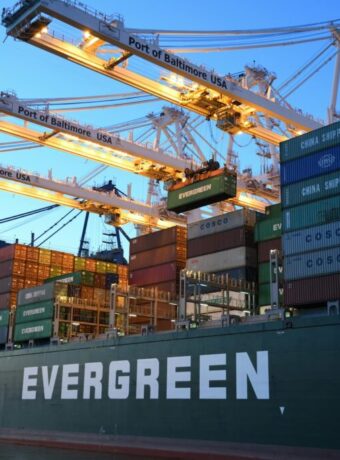
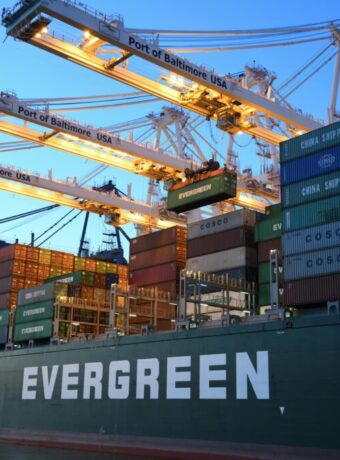
New Zealand’s export sector is grappling with fresh uncertainty as China, the country’s largest trading partner, rolls out stringent new food safety regulations that could reshape the landscape for Kiwi producers. The new standards, which came into effect on March 1, 2026, require enhanced traceability systems, updated certification processes, and more rigorous testing protocols for all food imports.
The timing couldn’t be more challenging for New Zealand exports, which have already been navigating post-pandemic supply chain disruptions and evolving consumer preferences in key markets. China accounts for approximately 28% of New Zealand’s total exports, with bilateral trade valued at over $38 billion annually, making compliance with these new regulations critical for maintaining market access.
Dairy Sector Bears the Brunt of New Compliance Requirements
New Zealand’s dairy industry, which exports over $20 billion worth of products annually, faces perhaps the most significant adjustment period. The new Chinese regulations require real-time tracking of products from farm to port, including detailed documentation of feed sources, veterinary treatments, and processing conditions.
Fonterra, the country’s largest dairy cooperative, has invested heavily in digital tracking systems over the past two years in anticipation of these changes. However, smaller dairy processors are struggling to meet the compliance deadlines, with several already reporting delayed shipments and rejected consignments.
“The level of documentation now required is unprecedented,” says Sarah Mitchell, export manager at a mid-sized Canterbury dairy processor who requested her company not be named. “We’re essentially having to rebuild our entire quality assurance framework from the ground up. The costs are substantial, and we’re not sure all our clients will be able to absorb them.”
Industry estimates suggest that compliance costs could add 3-5% to the total cost of dairy exports to China, a burden that comes at a time when global dairy prices remain volatile and competition from European and Australian producers intensifies.
Meat and Seafood Exporters Scramble for Solutions
The red meat sector, worth approximately $9 billion in annual exports, faces equally daunting challenges. The new regulations require genetic traceability for livestock, meaning farms must provide detailed breeding records and feed histories for animals destined for Chinese markets.
Silver Fern Farms and Alliance Group, two of New Zealand’s largest meat processors, have established dedicated compliance teams to manage the transition. However, the requirement for blockchain-based tracking systems has caught many smaller operators off-guard.
“We’ve had to fast-track our digital transformation by about five years,” explains David Chen, supply chain director at a North Island meat processing company. “The investment is significant, but the alternative is losing access to our most important market.”
The seafood sector faces unique challenges, with new requirements for vessel tracking and catch documentation that extend beyond New Zealand’s territorial waters. Several fishing companies have reported difficulties in meeting the real-time reporting requirements for vessels operating in international waters.
Technology Solutions Emerge as Critical Success Factor
The compliance crunch has accelerated adoption of agricultural technology solutions across New Zealand’s primary sectors. Local tech companies specializing in supply chain management and blockchain solutions are experiencing unprecedented demand.
Auckland-based AgriChain Technologies has seen its client base triple in the past six months as exporters seek digital solutions to meet Chinese regulatory requirements. The company’s CEO, Mark Thompson, describes the current period as a “once-in-a-generation opportunity” for agricultural technology adoption.
“What we’re seeing is a fundamental shift in how New Zealand approaches export compliance,” Thompson notes. “Companies that embrace these technologies now will have significant competitive advantages, not just in China but in other markets that are likely to follow similar regulatory paths.”
However, the digital divide between large corporates and smaller operators is becoming increasingly apparent. While major players like Fonterra and Silver Fern Farms have the resources to implement comprehensive tracking systems, many family-owned farms and processors are struggling with both the technical complexity and financial burden of compliance.
Critical Analysis: Short-term Pain for Long-term Gain?
The current regulatory upheaval, while challenging, may ultimately strengthen New Zealand’s position in global food markets. Enhanced traceability and quality assurance systems align with growing consumer demand for transparency and sustainability – trends that extend well beyond China.
However, the risk of market concentration cannot be ignored. Smaller exporters who cannot afford the compliance investments may be forced to exit Chinese markets or sell to larger competitors, potentially reducing competition and innovation in New Zealand’s export sectors.
Historical precedent suggests a mixed outcome. When China implemented similar but less comprehensive regulations in 2019, approximately 15% of smaller New Zealand food exporters withdrew from the Chinese market. However, those who remained reported stronger market positions and improved profit margins within 18 months.
The current situation bears uncomfortable similarities to New Zealand’s experience during the 2008 melamine scandal, when Chinese authorities temporarily banned New Zealand dairy imports. While that crisis was ultimately resolved, it demonstrated the vulnerability of over-reliance on a single market for export revenues.
Government Response and Industry Support
The New Zealand government has announced a $150 million support package to help exporters meet the new compliance requirements. The package includes grants for technology adoption, subsidized compliance consulting, and expedited approval processes for new quality assurance systems.
Trade Minister Emma Clarke emphasized the government’s commitment to maintaining New Zealand’s reputation as a premium food producer. “These new standards, while challenging, ultimately align with our values of sustainable, traceable food production,” Clarke stated at a recent industry forum.
However, industry groups argue that the support package, while welcome, is insufficient given the scale of the challenge. The Meat Industry Association estimates that full compliance across the sector could cost upwards of $500 million, far exceeding available government support.
Looking Ahead: Adaptation and Opportunity
As New Zealand exporters navigate these regulatory changes, several key trends are emerging. Companies that successfully implement comprehensive traceability systems are reporting increased interest from premium markets in Europe and North America, suggesting that Chinese compliance requirements may open doors elsewhere.
The crisis has also accelerated discussions about market diversification, with several major exporters announcing expanded marketing efforts in Southeast Asia, the Middle East, and South America. While these markets cannot fully replace China’s scale, they offer potential hedges against future regulatory disruptions.
The next six months will be crucial for determining which New Zealand exporters can successfully adapt to the new regulatory environment. Early indicators suggest that companies investing in comprehensive digital solutions and building strong relationships with Chinese importers are best positioned for success.
As the export landscape continues to evolve, New Zealand’s ability to maintain its reputation for high-quality, traceable food products while managing compliance costs will determine the long-term sustainability of its export-driven economy. The current challenges, while significant, may ultimately prove to be a catalyst for a more resilient and technologically advanced export sector.