

iPhone vs Samsung Market Share Battle Reshapes NZ Tech Landscape
Fresh market data reveals Apple has captured 47% of New Zealand’s smartphone market share, overtaking Samsung’s 31% position for the first time since 2019. The shift signals major changes ahead for NZ tech businesses, enterprise procurement, and consumer behaviour patterns.
1. The market reversal — Apple’s iPhone has achieved a commanding 47% market share in New Zealand as of March 2026, representing a dramatic 8 percentage point gain from the 39% recorded in early 2024. Samsung, previously the market leader with 38% share two years ago, has declined to just 31% — marking the steepest slide for the Korean giant since entering the New Zealand market. This represents more than a $420 million shift in annual device spending, based on the estimated $2.8 billion New Zealand smartphone market. The remaining 22% is fragmented across Chinese manufacturers including Oppo (9%), Xiaomi (7%), and others, with these brands struggling to gain meaningful traction beyond price-conscious consumers.
NZ Smartphone Market Key Figures
2. Enterprise adoption driving change — Corporate New Zealand has accelerated iPhone deployment across multiple sectors, with enterprise sales accounting for 34% of total iPhone purchases compared to just 18% for Samsung devices. According to NZTech’s Enterprise Mobility Report, the finding showed 67% of major New Zealand companies now standardise on iOS devices, up from 52% in 2024. Financial services firms lead this trend with 84% iPhone adoption, followed by professional services (71%) and healthcare (69%). The shift reflects growing concerns about data security, device management complexity, and integration with existing Apple ecosystems already deployed in many organisations.
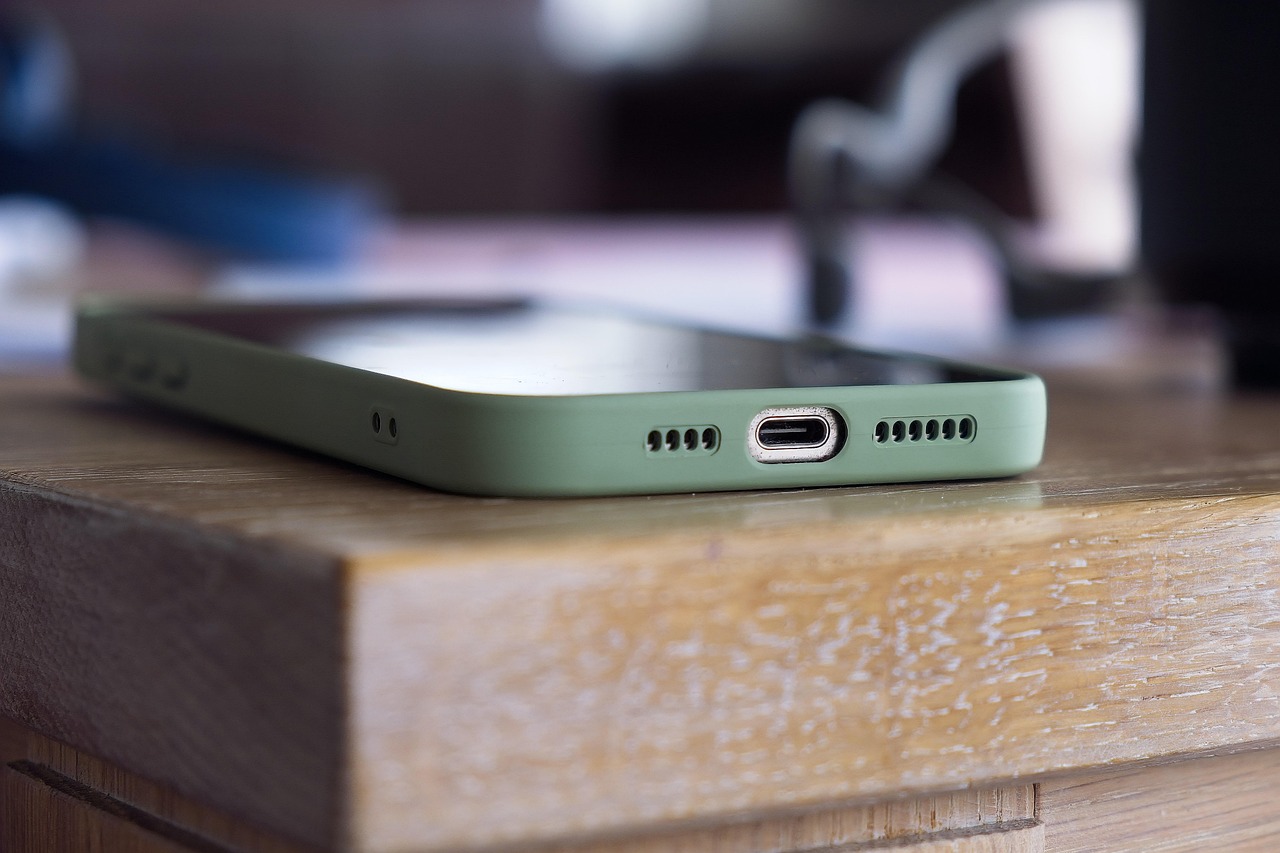
3. Premium pricing paradox — Despite iPhone models averaging $1,847 compared to Samsung’s $1,234 average selling price, New Zealand consumers are increasingly choosing premium devices over mid-range alternatives. The iPhone 15 Pro series alone captured 23% of total smartphone sales volume in Q1 2026, while Samsung’s Galaxy S25 series managed just 14%. This premium migration has pushed the overall market average selling price to $1,542, up 18% year-on-year. Remarkably, 73% of iPhone purchasers chose models above $1,500, compared to only 41% of Samsung buyers selecting premium variants. The data suggests New Zealand consumers view smartphones as long-term investments, with typical replacement cycles extending to 3.2 years for iPhone users versus 2.7 years for Samsung owners.
4. Geographic and demographic splits — Auckland leads iPhone adoption with 52% market share, followed by Wellington at 49%, while Samsung maintains stronger positions in smaller centres like Hamilton (37%) and Dunedin (35%). Age demographics reveal stark preferences: 18-34 year olds favour iPhone by a 54% to 28% margin, while the 45-64 age group splits more evenly at 41% iPhone versus 36% Samsung. Household income correlation shows iPhone dominance among households earning above $80,000 annually (61% market share), while Samsung leads in the $40,000-$60,000 bracket (44% share). These patterns mirror global trends but show more pronounced polarisation in New Zealand’s relatively affluent consumer base.
5. Business implications emerge — The smartphone market shift creates significant opportunities and challenges for New Zealand’s tech sector. Mobile app developers report 71% of their user base now operates iOS devices, forcing resource reallocation toward iPhone-first development strategies. Telecommunications providers face margin pressure as iPhone subsidies cost 23% more than equivalent Samsung support, while device retailers see higher per-transaction revenues but lower volume turnover. Enterprise IT departments must adapt procurement policies, with 43% planning to standardise exclusively on iPhone by 2027. The trend also impacts adjacent markets — iPhone users spend 34% more on accessories, mobile services, and complementary technology products annually.
6. Supply chain and retail dynamics — Apple’s direct retail presence through its Queen Street flagship and online store has fundamentally altered New Zealand’s smartphone distribution model. Traditional electronics retailers report iPhone sales increasingly bypass their channels, with Apple capturing 38% of iPhone sales directly compared to Samsung’s 12% direct-to-consumer rate. This shift pressures established retailers like JB Hi-Fi, Harvey Norman, and Spark stores, forcing them to compete primarily on Samsung, Oppo, and secondary brand sales. Import timing has also become crucial — iPhone demand spikes create inventory challenges, while Samsung’s more predictable release cycles allow better stock management but generate less consumer excitement.
7. Future market trajectory — Current trends suggest Apple could achieve 50% New Zealand market share by late 2026, though several factors may moderate this growth. Samsung’s upcoming Galaxy AI features and aggressive pricing on flagship models could slow iPhone gains, while Chinese manufacturers are investing heavily in premium positioning to capture market share from both leaders. The critical question for New Zealand businesses is whether this smartphone polarisation reflects broader consumer technology preferences or represents a temporary market anomaly. Historical precedent suggests caution — Nokia dominated New Zealand with 68% share in 2007 before virtually disappearing within five years, while BlackBerry held 34% enterprise market share in 2010 before collapsing to irrelevance. Smart New Zealand tech companies will prepare for multiple scenarios rather than assuming current iPhone momentum continues indefinitely.