New Electrical Safety Standards Set to Impact Tradies Across Australia from July 2026
- New AS/NZS 3000:2025 wiring rules mandate enhanced RCD protection for all circuits in residential and commercial installations starting July 1, 2026.
- Electrical contractors must complete mandatory 16-hour training course and pay $485 certification fee to maintain their licenses under the updated standards.
- Non-compliance penalties increase to $12,600 for individuals and $63,000 for companies, with potential license suspension for repeat offenders.
What the New Standards Actually Require
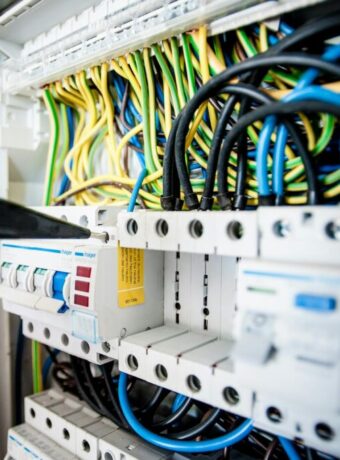
The updated AS/NZS 3000:2025 Australian Wiring Rules introduce sweeping changes to electrical installation practices. All new residential and commercial electrical work must now include Type A residual current devices (RCDs) on every circuit, not just power outlets and lighting circuits in wet areas as previously required.
The standards also mandate arc fault circuit interrupters (AFCIs) for bedroom circuits in new homes and major renovations. These devices detect dangerous electrical arcing that can cause fires, adding an estimated $150-200 per bedroom to installation costs.
Key Compliance Costs for Tradies
Surge protection devices become compulsory for all new meter boards and switchboard upgrades. The minimum rating is 40kA for residential installations and 65kA for commercial properties. For example: a standard three-bedroom home renovation requiring switchboard replacement will need surge protection costing approximately $320-450 in additional equipment.
Note: Existing installations don’t require immediate upgrades unless major electrical work is undertaken that affects more than 25% of existing circuits.
Training Requirements and Certification Costs
Every licensed electrical contractor must complete the new Electrical Safety Competency Update (ESCU) course before December 31, 2026. The 16-hour program covers updated wiring methods, RCD testing procedures, and AFCI installation techniques.
Course providers charge between $680-850 for the training, plus a mandatory $485 assessment fee paid directly to the electrical licensing authority in each state. Contractors who don’t complete the training by the deadline face automatic license suspension.
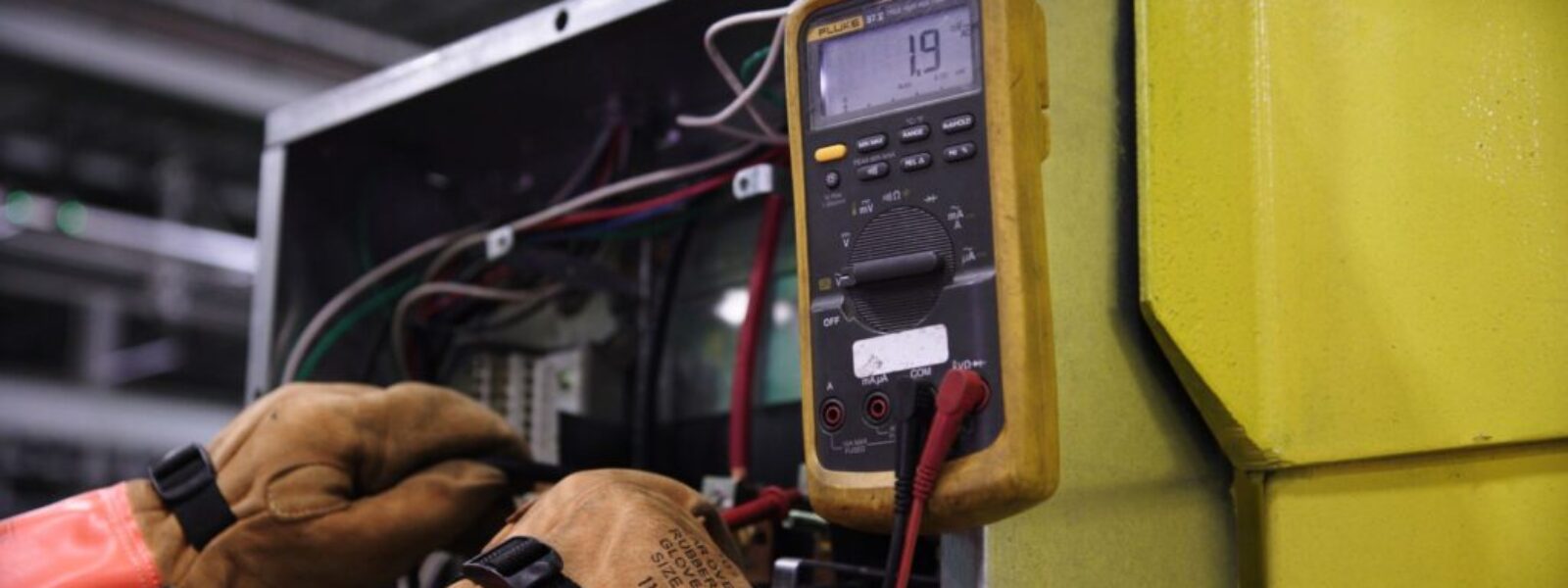
The training includes practical assessments using the new testing equipment required for RCD and AFCI verification. You’ll need to demonstrate competency with:
- Digital RCD testers meeting AS/NZS 3017:2022 standards
- AFCI verification tools for arc fault detection
- Insulation resistance testing equipment calibrated to new thresholds
- Earth loop impedance meters with enhanced accuracy requirements
Testing equipment upgrades typically cost electrical contractors $2,200-3,400 for a complete kit meeting the new standards.
Impact on Different Trade Categories
Residential electricians face the biggest adjustment, as single-phase installations now require significantly more protective devices. A typical four-bedroom home electrical fit-out will need an additional $800-1,200 in RCD and AFCI equipment compared to previous standards.

Commercial electrical contractors working on office buildings and retail spaces must install monitoring systems that track RCD performance and generate maintenance alerts. These systems add $1,500-2,800 to standard commercial installations but become mandatory for buildings over 500 square meters.
Solar installers encounter new earthing requirements and DC arc fault protection mandates for photovoltaic systems. Every solar installation over 4kW capacity must include DC AFCIs, adding approximately $400-600 to system costs.
Note: Apprentices and electricians working under supervision don’t need separate ESCU certification but must complete a 4-hour awareness module before working on installations under the new standards.
Enforcement Timeline and Penalties
State electrical safety regulators begin full enforcement on July 1, 2026, with a six-month grace period for minor compliance issues. After January 1, 2027, inspectors will issue immediate non-compliance notices for installations missing required protective devices.
The penalty structure escalates based on risk level and repeat offenses:
- First offense involving residential safety violations: $3,150 fine
- Commercial non-compliance or repeat residential offense: $6,300 fine
- Major safety breach or third offense: $12,600 fine plus license review
- Company-level violations: $31,500 base penalty, up to $63,000 for serious breaches
For example: an electrician installing a new switchboard without proper RCD protection faces a $3,150 fine and must rectify the work at their own expense. Failure to fix the violation within 30 days triggers license suspension proceedings.
Electrical inspectors will prioritize high-risk installations including hospitals, schools, and aged care facilities during the initial enforcement phase. Random compliance audits begin in metropolitan areas first, expanding to regional locations by September 2026.
Equipment Procurement Challenges
Supply shortages of compliant RCDs and AFCIs are already emerging as manufacturers ramp up production. Lead times for Type A RCDs have extended to 8-12 weeks, while AFCI units face 12-16 week delays from major suppliers.
Electrical wholesalers recommend placing orders for 2027 project requirements before August 2026 to avoid supply disruptions. Bulk purchasing agreements can reduce unit costs by 15-20% but require significant upfront capital investment.
Alternative suppliers from European markets offer AS/NZS compliant devices, though certification verification adds 2-3 weeks to delivery times. You can reduce supply risk by establishing accounts with multiple distributors and monitoring stock levels through supplier portals.
Note: Some regional areas may experience longer delays due to transportation constraints and lower distributor inventory levels.
How to Prepare and Comply
Start preparing now to meet the July 1, 2026 implementation deadline:
1. Enroll in ESCU training courses immediately – popular providers are booking into September 2026 already. Contact your state electrical training organization for approved course schedules.
2. Budget for equipment upgrades by calculating your typical monthly installation volume and multiplying by the additional $800-1,200 per residential job in protective devices. Factor in $2,200-3,400 for new testing equipment.
3. Update your quoting templates to include mandatory RCD, AFCI, and surge protection costs. Residential customers need clear explanations about why prices are increasing due to safety requirements.
4. Order critical inventory now, particularly Type A RCDs and bedroom AFCIs for projects scheduled between July-December 2026. Establish backup supplier relationships to manage stock shortages.
5. Review your insurance coverage with your broker, as the new standards may affect liability requirements and claims procedures for electrical work.