
Dairy Sector Faces Critical Water Allocation Decisions: 7 Things You Need to Know
Regional councils across New Zealand are implementing stricter water allocation limits for dairy farms as part of freshwater management reforms, forcing the sector to adapt irrigation practices and potentially reduce herd sizes. The changes represent the most significant regulatory shift for dairy operations since the introduction of nitrogen caps.
Canterbury and Waikato councils have led the charge with new allocation frameworks that prioritise environmental outcomes over historical use patterns. The dairy sector, which generates $22 billion annually for New Zealand’s economy, now faces fundamental questions about operational sustainability and future growth trajectories.
Key Dairy Water Impact Figures
1. Water Rights Are Being Redistributed Based on Environmental Impact
Regional councils are moving away from the traditional “first in, first served” approach to water allocation. Instead, they’re implementing environmental impact assessments that favour lower-intensity farming operations and those demonstrating measurable freshwater improvements.
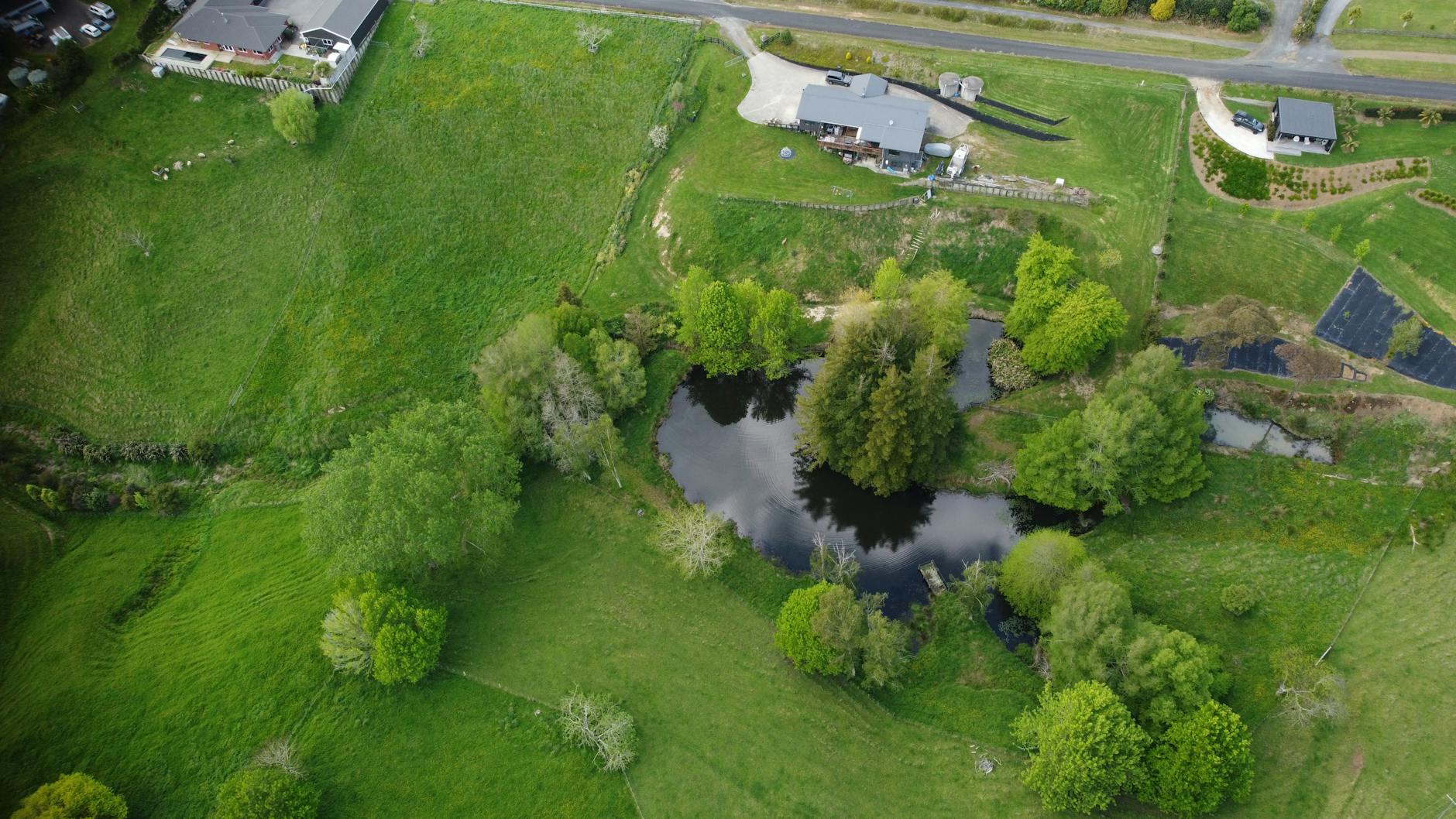
This shift means high-intensity dairy operations that have relied on substantial irrigation for decades may find their water allocations significantly reduced. Farms with poor nitrogen management records or those located in sensitive catchment areas face the steepest cuts.
The Canterbury Regional Council has already signalled that up to 15% of current dairy water allocations could be redistributed by 2027, with priority given to operations that can demonstrate net environmental gains through their water use.
2. Irrigation Infrastructure Investments May Not Pay Off
Many dairy farms invested heavily in sophisticated irrigation systems over the past decade, banking on continued access to current water allocations. These investments, often totalling millions of dollars per farm, are now at risk of becoming stranded assets.
According to PwC’s latest dairy sector analysis, approximately 40% of Canterbury dairy farms may need to write down irrigation infrastructure values by 20-30% due to reduced water access.
This creates a particular challenge for farms that used irrigation upgrades as security for borrowing. Banks are beginning to reassess lending criteria for dairy operations, with water security now a primary factor in loan approvals.
3. Herd Sizes Will Need to Shrink on Affected Properties
Reduced water allocations directly translate to carrying capacity constraints. Industry modelling suggests that farms losing 25% of their water allocation will need to reduce herd sizes by 15-20% to maintain animal welfare standards and pasture quality.
This reduction comes at a time when global dairy prices remain strong, creating a painful disconnect between market opportunity and regulatory constraints. Some operators are already exploring options to lease grazing land in regions with more generous water allocations.
The challenge is particularly acute for sharemilking operations, where reduced cow numbers directly impact income streams for both farm owners and sharemilkers, potentially forcing some partnerships to dissolve.
4. Technology Adoption Becomes Essential, Not Optional
Farms that successfully navigate the new water allocation regime will be those that maximise productivity per litre of water used. This is driving rapid adoption of precision irrigation technology, soil moisture monitoring systems, and advanced pasture management tools.
Variable rate irrigation systems that can adjust water application based on real-time soil and weather conditions are becoming standard equipment rather than luxury upgrades. Early adopters report water use efficiency gains of 20-25% without compromising pasture quality.
However, these technological solutions require significant upfront investment and ongoing technical expertise, creating potential barriers for smaller operations or those already carrying high debt loads from previous expansion phases.
5. Farm Values Face Downward Pressure in High-Allocation Areas
Property values in areas most affected by water allocation changes are already showing signs of stress. Canterbury dairy farms with historically high water allocations have seen asking prices drop by 10-15% since the new allocation frameworks were announced.
Conversely, farms in regions with secure water access or those that have already adapted to lower-intensity systems are maintaining or even increasing in value. This creates a two-tier market that could persist for several years as the regulatory environment settles.
Rural real estate agents report that water allocation details have become as important as soil quality and location in buyer due diligence processes, fundamentally changing how dairy farms are valued and marketed.
6. Alternative Land Use Options Gain Traction
Some dairy farmers are exploring conversion to alternative land uses that require less water or offer better environmental outcomes. Forestry, horticulture, and regenerative agriculture models are all receiving increased attention from farm owners facing significant water allocation cuts.
The government’s climate change policies, including carbon pricing mechanisms, make forestry particularly attractive for properties with marginal dairy economics under the new water regime. However, these transitions require substantial planning and often lengthy consent processes.
Mixed farming systems that combine dairy with other land uses are also emerging as a compromise solution, allowing farmers to maintain some dairy operations while diversifying revenue streams and reducing overall water demand.
7. Industry Consolidation May Accelerate
The new water allocation framework is likely to accelerate consolidation within the dairy sector, as larger operators with better access to capital and technology acquire properties from farmers unable to adapt to the new regulatory environment.
Corporate dairy operations and large farming partnerships are better positioned to make the necessary infrastructure investments and absorb the short-term profit impacts of reduced water allocations. This could lead to further concentration of dairy production in fewer, larger operations.
However, this consolidation trend may conflict with other policy objectives around maintaining vibrant rural communities and supporting family farming operations, creating potential tension between economic efficiency and social outcomes.
The dairy sector’s response to these water allocation challenges will shape New Zealand agriculture for the next decade. While the regulatory environment creates immediate pressures, it also presents opportunities for innovative farmers to develop more sustainable and ultimately more profitable operating models. The winners will be those who adapt quickly rather than those who resist change.