Dairy Industry Faces Supply Chain Crisis as Port Disruptions Hit Export Volumes
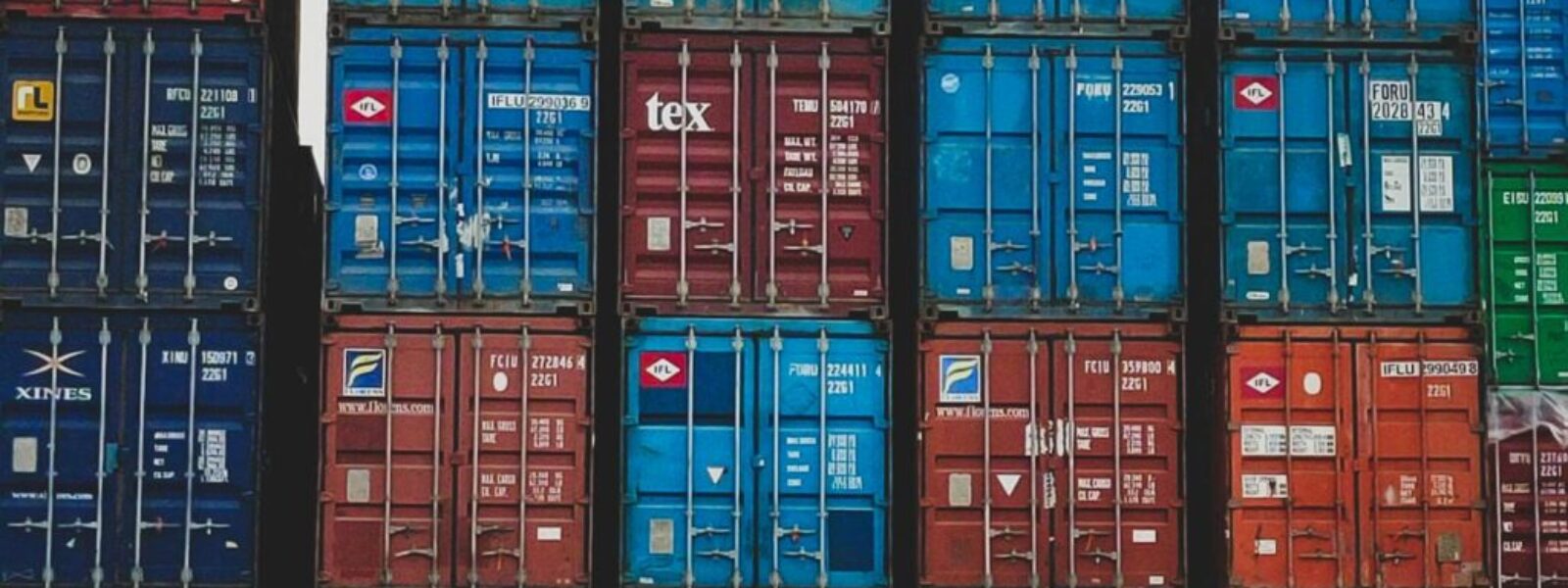
New Zealand’s dairy sector is grappling with severe supply chain disruptions as port strikes and infrastructure bottlenecks threaten to derail export schedules for the crucial autumn season. The crisis could potentially cost the industry hundreds of millions in delayed shipments and spoiled products.
- Port of Tauranga strikes enter third week, affecting 40% of dairy exports
- Auckland port congestion adds 5-7 day delays to container shipments
- Fonterra warns of potential $150-200 million revenue impact
- Alternative shipping routes through Christchurch at 120% capacity
- Industry calls for government intervention to resolve disputes
The disruption comes at the worst possible time for New Zealand’s $22 billion dairy industry, with autumn peak production coinciding with critical shipping windows to Asian markets. Fonterra, the world’s largest dairy exporter, has been forced to divert shipments through secondary ports, creating a domino effect across the supply chain.
“We’re looking at the most significant logistics crisis the dairy sector has faced in over a decade,” says Fonterra Chief Operating Officer Robert Spurway. “Every day of delay translates to millions in lost revenue and compromises our reputation with key customers in China and Southeast Asia.”
The Port of Tauranga, which handles approximately 40% of New Zealand’s dairy exports, remains paralysed by industrial action over pay and working conditions. Maritime Union representatives are demanding a 12% wage increase over two years, while port management offers 6% over three years.
Ripple effects across the sector
Smaller dairy companies are bearing the brunt of the crisis, with limited resources to secure alternative shipping arrangements. Open Country Dairy reports container costs have surged 300% as companies compete for limited space on alternative routes.
According to Dairy Companies Association of New Zealand, the disruption affects not just large exporters but the entire supply ecosystem, including packaging suppliers and freight forwarders who depend on predictable shipping schedules.
“The knock-on effects are unprecedented,” explains DCANZ Chief Executive Kimberly Crewther. “We’re seeing farmers delaying production schedules and processors stockpiling products that should already be on ships to Asia.”
The timing coincides with peak autumn milk production when pasture quality is optimal and cows are producing maximum volumes. Storage capacity at processing facilities is approaching limits, forcing some companies to consider costly powder conversion of products originally destined for fresh export markets.
Government pressure mounts
Trade Minister David Parker faces mounting pressure to intervene, with the dairy sector representing New Zealand’s largest export earner. Industry leaders warn prolonged disruption could permanently damage relationships with key Asian customers who are already exploring alternative suppliers from Europe and Australia.
Federated Farmers Dairy Chairman Richard McIntyre argues the government must treat dairy exports as essential services. “We cannot allow industrial disputes to hold hostage New Zealand’s economic lifeline,” he states. “Emergency legislation may be the only solution if negotiations remain deadlocked.”
Independent logistics analyst Sarah Chen warns the crisis exposes fundamental weaknesses in New Zealand’s export infrastructure. Her research suggests the country needs significant investment in port automation and alternative shipping routes to prevent future disruptions.
“This isn’t just about one dispute,” Chen explains. “New Zealand’s over-reliance on two main ports creates systemic risk that threatens our competitive position in global dairy markets.”
The situation remains fluid, with both sides in the port dispute signaling willingness to resume negotiations. However, industry sources suggest resolution could take weeks, potentially extending disruptions well into April when seasonal production peaks.