

Christchurch commercial property values surge as tech sector drives demand
Christchurch commercial property values have surged 18% in the past year as technology companies relocate from Auckland, creating unprecedented demand for office space. The city’s transformation into a tech hub is driving rental yields to historic highs while supply constraints intensify.
The Canterbury city’s commercial property market is experiencing its most dramatic shift since the post-earthquake rebuild, with technology firms abandoning Auckland’s premium office districts for Christchurch’s competitive rates and emerging innovation precincts. Office vacancy rates have plummeted to 4.2%, the lowest on record, while prime commercial land values have increased by margins not seen since the immediate reconstruction period.
Christchurch commercial property metrics
This migration represents more than a simple cost arbitrage. Companies are discovering operational advantages in Christchurch’s compact central business district, where proximity to the University of Canterbury’s engineering programs and established manufacturing base creates synergies absent in Auckland’s fragmented commercial landscape. The city’s digital infrastructure, rebuilt to world-class standards following the earthquakes, now rivals any comparable urban centre globally.
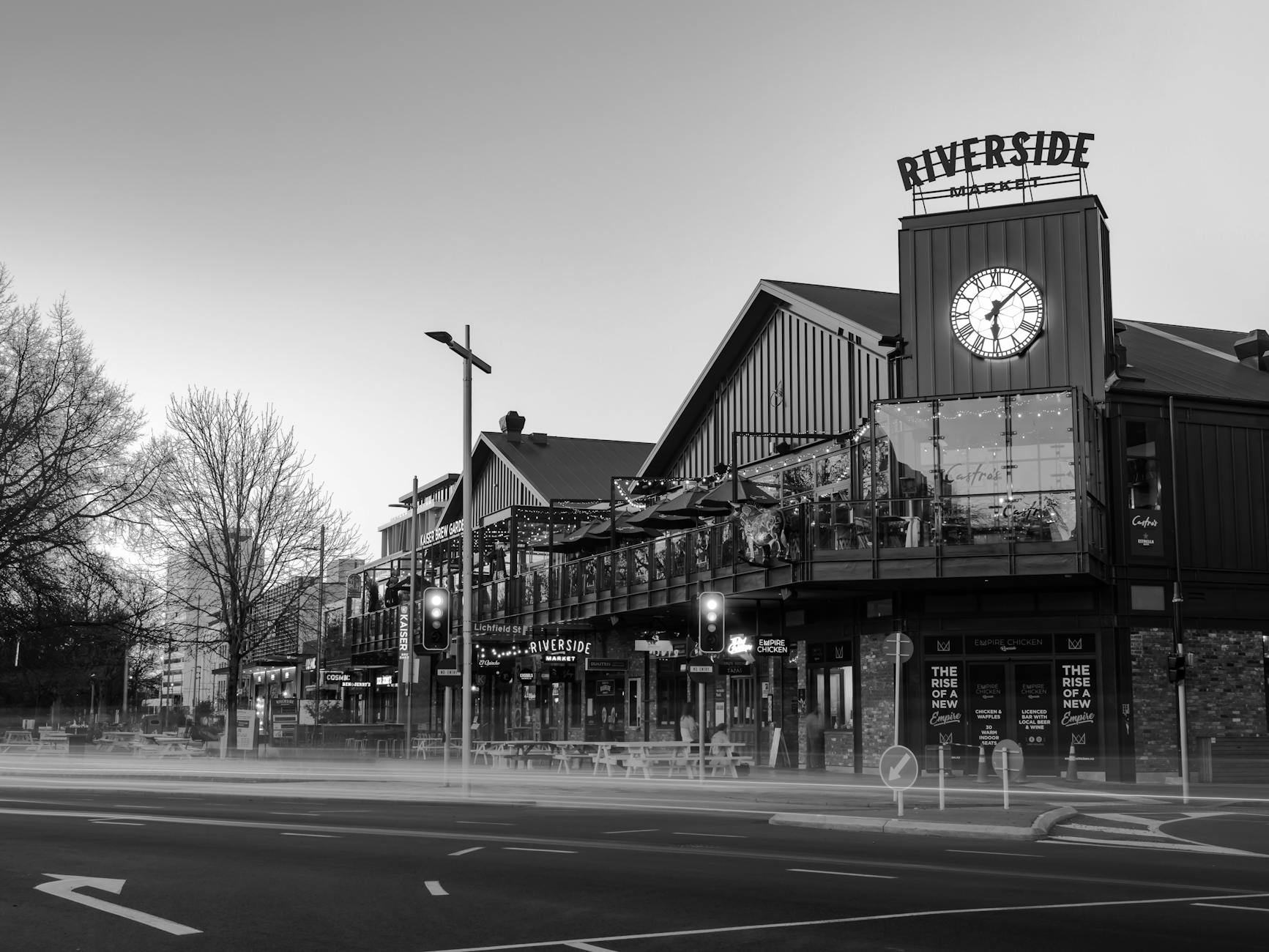
Property investors are responding aggressively to these fundamentals. Commercial buildings that traded at significant discounts to replacement cost just three years ago are now commanding premiums as institutional funds compete for limited stock. The repricing has been particularly acute in the innovation precinct surrounding the former cathedral square, where warehouse conversions are achieving rental rates previously reserved for Auckland’s Viaduct Harbour developments.
However, this rapid appreciation raises questions about sustainability. According to PwC’s Canterbury Commercial Property Outlook, the current pace of growth shows concerning parallels to Auckland’s commercial property bubble of 2019-2021, which subsequently corrected by 25% when international tech companies scaled back local operations.
The supply response has been complicated by labour shortages and material costs that remain elevated despite broader construction sector cooling. While development applications have increased 40% year-on-year, completion timelines stretch beyond 18 months for most commercial projects. This lag between demand recognition and supply delivery suggests continued upward pressure on existing stock values.
Local developers express cautious optimism but acknowledge execution risks. The earthquake rebuild created construction capacity that has since contracted as major infrastructure projects wound down. Many firms that developed expertise in large-scale commercial construction have either consolidated or exited the market, leaving a smaller pool of capable contractors to service current demand.
The technology sector’s expansion in Christchurch also depends heavily on continued government policy support and immigration settings that enable skill importation. Recent changes to work visa categories have made it easier for tech companies to recruit internationally, but political sentiment around immigration remains volatile. A policy reversal could quickly undermine the sector’s growth trajectory and associated property demand.
Banking sector analysis suggests commercial lending standards have tightened in response to rapid value increases, with major institutions requiring higher equity contributions and more conservative debt service coverage ratios. This represents a marked shift from the accommodative approach that characterised earthquake reconstruction financing, when banks actively supported speculative development to accelerate recovery.
The residential property market provides a cautionary precedent. Christchurch house prices increased 60% between 2013 and 2017 before moderating as supply caught up with demand and population growth slowed. Commercial property cycles typically exhibit greater volatility than residential markets, suggesting potential for more dramatic corrections if underlying demand assumptions prove incorrect.
Market participants point to genuine structural advantages that differentiate current conditions from previous speculative episodes. The city’s geographic position, climate resilience, and post-earthquake infrastructure represent enduring competitive advantages that should support sustained commercial activity. However, these same factors were present during previous periods of market exuberance that ultimately reversed.
The immediate outlook suggests continued upward pressure on commercial property values through 2026, driven by established supply constraints and ongoing corporate relocations. Longer-term sustainability will depend on Christchurch’s ability to diversify its economic base beyond the technology sector and develop indigenous innovation capacity that reduces dependence on external corporate decision-making.