NZ Dairy Exports Face Supply Chain Disruption as Port Strikes Hit Key Trade Routes
Port strikes at Tauranga and Auckland have created significant disruption to New Zealand’s dairy exports, with approximately 40% of the country’s dairy shipments now facing delays. The industrial action, which began on March 15, threatens to impact the $18 billion annual dairy export revenue as peak shipping season approaches.
Strike Action Escalates Across Key Export Hubs
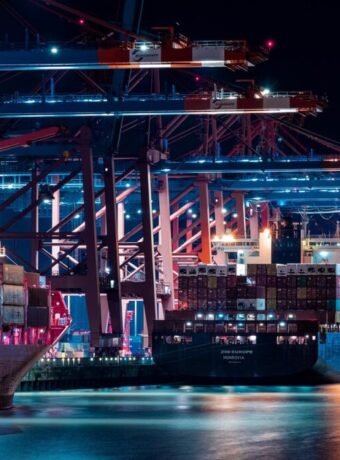
The Maritime Union’s decision to escalate strike action has brought operations at Ports of Tauranga and Ports of Auckland to a near standstill, directly impacting the flow of dairy products to international markets. Container terminals handling approximately 800,000 tonnes of dairy exports monthly are operating at reduced capacity, with some services completely suspended. The timing proves particularly challenging as the March-June period represents peak export season for New Zealand’s dairy industry.
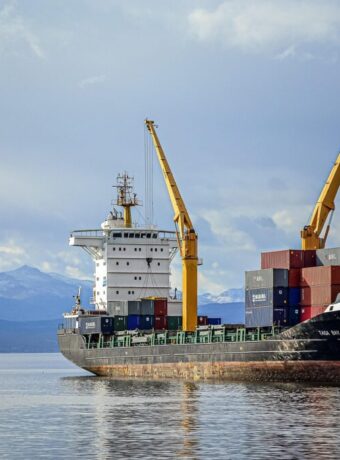
Port of Tauranga, which handles roughly 30% of New Zealand’s dairy exports, has been forced to redirect vessels to alternative ports including Napier and Timaru. However, these smaller facilities lack the specialized refrigeration infrastructure required for large-scale dairy shipments, creating bottlenecks that could persist for weeks beyond any strike resolution. The situation has prompted Fonterra and other major dairy cooperatives to explore emergency shipping arrangements through Wellington and Lyttelton ports.
Immediate Impact on Major Dairy Exporters
Fonterra, controlling approximately 80% of New Zealand’s dairy exports, faces the most significant exposure to the disruption. The cooperative’s regular shipments to China, representing over $6 billion in annual trade, have been particularly affected with several vessels diverted to Australian ports for reloading. According to Stats NZ, dairy products accounted for 28% of New Zealand’s total merchandise exports in February, highlighting the sector’s critical importance to the national economy.
Other major players including Open Country Dairy and Westland Milk Products have implemented contingency plans involving road transport to alternative ports, though this approach increases costs by an estimated 15-20% per tonne. The additional logistics complexity threatens to erode already tight profit margins, particularly for smaller dairy processors who lack the scale to absorb increased transportation costs effectively.
International Trade Relationships Under Pressure
The export disruption arrives at a particularly sensitive time for New Zealand’s trade relationships, with several key markets already expressing concern about supply reliability. Chinese importers, who represent nearly 40% of New Zealand’s dairy export value, have indicated they may accelerate discussions with alternative suppliers in Australia and European Union countries if delays extend beyond the current week.
The situation has also complicated New Zealand’s efforts to expand market access in emerging economies across Southeast Asia and the Middle East. Trade missions scheduled for April may need to address questions about supply chain reliability, potentially undermining months of relationship-building efforts. The timing coincides with seasonal demand peaks in several key markets, where consistent supply availability directly influences long-term purchasing contracts worth hundreds of millions of dollars.
Economic Ramifications Beyond Dairy Sector
The port strikes extend beyond dairy exports, affecting New Zealand’s broader export portfolio including meat products, forestry goods, and manufactured items. Weekly export values typically exceed $1.2 billion during this period, meaning each day of disruption represents approximately $170 million in delayed trade flows. The cumulative impact threatens New Zealand’s current account balance, which has shown improvement over recent months following sustained export growth.
Currency markets have already responded to the uncertainty, with the New Zealand dollar weakening against major trading partners’ currencies as investors factor in potential export revenue delays. This depreciation, while potentially beneficial for export competitiveness once normal operations resume, creates immediate challenges for importers and businesses with foreign currency exposures. The Reserve Bank of New Zealand has indicated it will monitor developments closely, though immediate policy intervention appears unlikely.
Resolution Prospects and Industry Response
Mediation efforts between port operators and the Maritime Union are intensifying, with government officials expressing urgency about resolving the dispute. The union’s demands center on wage increases and job security guarantees amid increasing port automation, while operators argue that current proposals would undermine competitiveness against other regional ports. Industry observers suggest a resolution could emerge within days, though previous disputes have occasionally extended for several weeks.
Export industry groups have called for government intervention if negotiations fail to produce results quickly, citing the critical importance of maintaining New Zealand’s reputation as a reliable trading partner. The New Zealand International Business Forum has proposed emergency legislation allowing temporary use of military logistics capabilities to maintain essential export flows, though such measures would require unprecedented cooperation between multiple government departments.
Long-term Strategic Implications
The current disruption highlights structural vulnerabilities in New Zealand’s export infrastructure, particularly the heavy dependence on two major ports for dairy shipments. Industry analysts suggest the crisis may accelerate investment in alternative port facilities and inland logistics networks, though such infrastructure development typically requires years to implement effectively. The situation reinforces arguments for diversifying both export destinations and shipping routes to reduce systemic risks.
Looking ahead, the export sector faces the challenge of rebuilding any lost market confidence while addressing underlying infrastructure constraints. The dairy industry’s resilience will be tested as competitors in other countries potentially capitalize on supply gaps, particularly in price-sensitive markets where consistency often determines long-term market share. Success in navigating this crisis could strengthen New Zealand’s position as a premium supplier, while prolonged disruption risks permanent market share erosion in competitive global dairy markets.