New Zealand Exports Face Critical Test as Global Trade Tensions and Climate Policies Reshape Market Dynamics
New Zealand’s export sector is navigating unprecedented challenges as global trade tensions, sustainability requirements, and climate policies create both risks and opportunities for traditional commodity exports. The nation’s exporters must rapidly adapt their strategies to maintain competitiveness in increasingly complex international markets.
New Zealand’s export economy stands at a critical juncture as mounting global pressures threaten to reshape the fundamental structure of international trade relationships. The nation’s traditional export strengths in agriculture, forestry, and manufacturing are facing simultaneous challenges from geopolitical tensions, evolving consumer preferences, and stringent environmental regulations that demand immediate strategic responses from businesses across all sectors.
The confluence of factors affecting New Zealand exports has never been more complex. Trade disputes between major economies continue to create uncertainty, while consumers in key markets increasingly demand proof of sustainable and ethical production practices. These shifts are forcing exporters to reconsider not just what they sell, but how they produce, package, and market their goods to international buyers.
Agricultural Exports Under Pressure
New Zealand’s agricultural sector, which has long been the backbone of the country’s export economy, is experiencing significant headwinds. Dairy products, meat, and horticultural produce face mounting scrutiny over carbon emissions and environmental impact. European markets, in particular, are implementing stricter requirements for imported food products, demanding comprehensive documentation of production methods and carbon footprints.
The dairy industry, which contributes billions to New Zealand’s export earnings, must now contend with reduced demand from key markets as consumers shift toward plant-based alternatives. Simultaneously, regulatory changes in major importing countries are creating additional compliance costs that smaller producers struggle to absorb. according to Statistics New Zealand, agricultural exports still represent over half of the country’s total export value, making these challenges particularly significant for the national economy.
Meat exports face similar pressures, with animal welfare standards becoming increasingly important to international buyers. New Zealand’s reputation for high-quality, grass-fed livestock provides some competitive advantage, but exporters must invest heavily in certification and traceability systems to maintain market access. The cost of these investments is particularly challenging for smaller operators who lack the economies of scale enjoyed by larger companies.
Technology and Innovation Sector Growth
While traditional exports face headwinds, New Zealand’s technology and innovation sectors are experiencing unprecedented growth opportunities. Software development, biotechnology, and advanced manufacturing are attracting international attention as the country leverages its reputation for innovation and clean production methods.
The technology sector’s export performance has been particularly impressive, with software and digital services exports growing rapidly over the past five years. Companies specializing in agricultural technology, renewable energy solutions, and health innovation are finding strong demand in markets seeking sustainable alternatives to traditional products. This diversification provides some cushion against the challenges facing commodity exports.
However, the technology sector faces its own export challenges, particularly around intellectual property protection and competition from established technology hubs. New Zealand companies must often compete against better-funded rivals from larger economies, making market penetration difficult despite having superior products or services.
Supply Chain Vulnerabilities Exposed
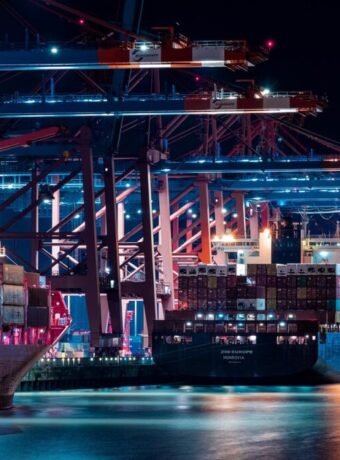
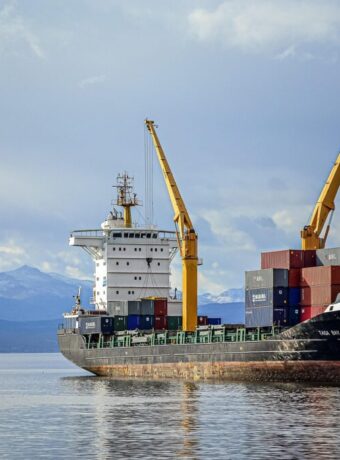
Recent global disruptions have highlighted significant vulnerabilities in New Zealand’s export supply chains. The country’s geographic isolation, once considered a minor inconvenience, has become a major competitive disadvantage as shipping costs soar and delivery times extend. These logistical challenges are particularly acute for perishable goods, which form a substantial portion of New Zealand’s export portfolio.
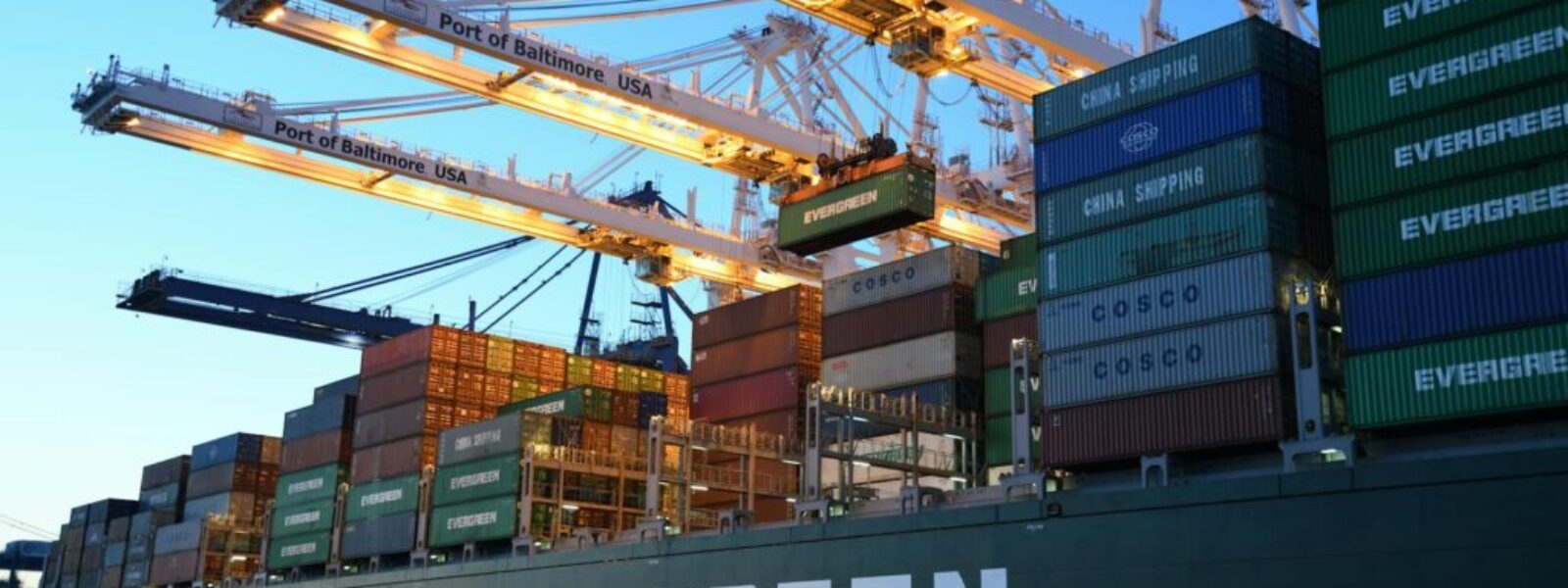
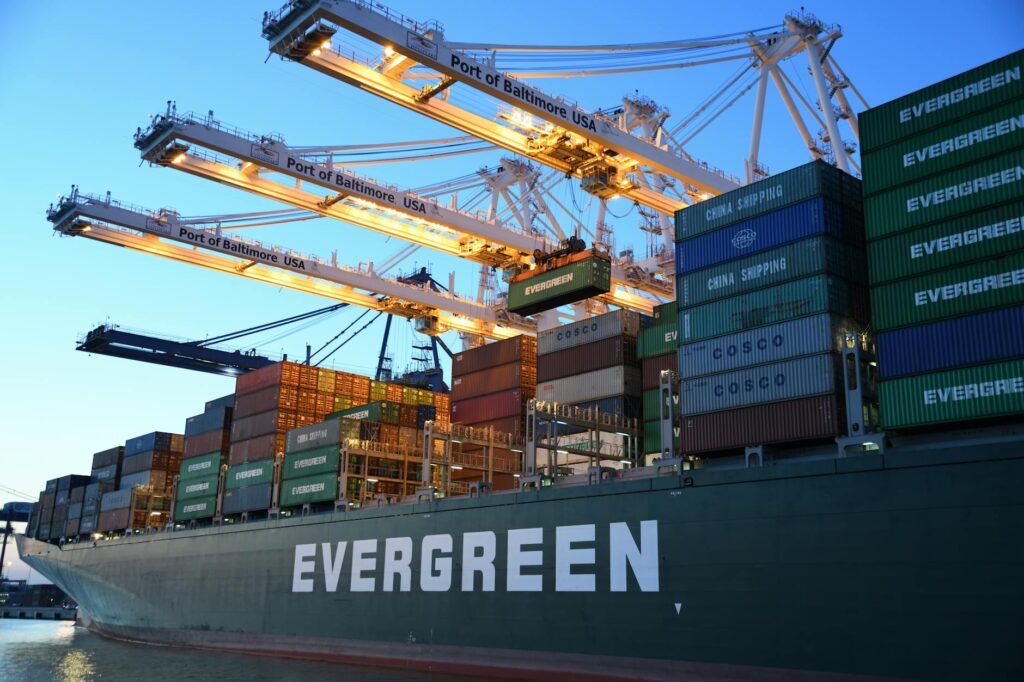
Container shortages and port congestion have created additional costs that exporters struggle to pass on to international buyers. Many companies report having to absorb these increased logistics costs, significantly impacting profit margins. The situation has forced some exporters to reconsider their target markets, with some shifting focus from distant markets to regional opportunities in Australia and the Pacific.
The reliance on a limited number of major ports has also created bottlenecks that affect the entire export sector. When Auckland’s port operations are disrupted, the impact ripples through supply chains nationwide, affecting delivery schedules and customer relationships built over decades.
Critical Analysis: Adaptation or Decline
The current challenges facing New Zealand’s export sector represent more than temporary disruptions—they signal fundamental shifts in global trade patterns that require strategic adaptation. Companies that fail to recognize and respond to these changes risk losing market share to more agile competitors from other countries.
The emphasis on sustainability and environmental credentials, while initially seen as a burden by many exporters, actually represents a significant opportunity for New Zealand companies. The country’s clean, green image provides a natural competitive advantage in markets where consumers are willing to pay premiums for environmentally responsible products. However, this advantage will only be realized if companies invest in proper certification, marketing, and brand development.
The diversification away from commodity exports toward higher-value products and services is essential for long-term economic resilience. While agricultural exports will remain important, the economy cannot rely solely on volume-based commodity sales in an increasingly competitive global market. The growth of the technology sector demonstrates that New Zealand can compete successfully in high-value markets when companies focus on innovation and specialization.
Government Policy Response
The New Zealand government has recognized the challenges facing exporters and implemented various support measures, including trade promotion initiatives and funding for market development. However, critics argue that these measures are insufficient to address the scale of the challenges facing the export sector.
The government’s focus on free trade agreements, while important for market access, may not address the more fundamental issues around supply chain resilience and competitive positioning. Some industry leaders argue for more targeted support for export marketing and brand development, particularly for smaller companies that lack the resources to develop international market presence independently.
Climate change policies also create both challenges and opportunities for exporters. While carbon pricing and environmental regulations increase costs for some sectors, they also provide incentives for innovation and sustainable practices that could enhance New Zealand’s competitive position in environmentally conscious markets.
Future Outlook and Strategic Imperatives
Looking ahead, New Zealand’s export success will depend on the sector’s ability to adapt to rapidly changing global conditions. Companies that embrace sustainability, invest in technology, and develop strong brand positioning will be best positioned to thrive in the new trading environment.
The shift toward premiumization offers particular promise for New Zealand exporters. Rather than competing on volume and price, companies should focus on developing unique value propositions based on quality, sustainability, and innovation. This approach requires significant investment in research and development, marketing, and brand building, but offers the potential for higher margins and more resilient market positions.
Regional diversification will also be crucial for reducing dependence on any single market. While China remains New Zealand’s largest trading partner, overreliance on this market creates vulnerabilities that recent geopolitical tensions have highlighted. Developing stronger relationships with markets in Southeast Asia, India, and other emerging economies will provide important risk mitigation.
The integration of digital technologies throughout the export supply chain represents another critical opportunity. Companies that can leverage data analytics, automation, and digital marketing will have significant advantages over competitors that rely on traditional approaches. This technological transformation requires substantial investment but is essential for maintaining competitiveness in increasingly digital global markets.
New Zealand’s export sector stands at a crossroads where traditional approaches may no longer guarantee success. The companies and industries that recognize this reality and adapt their strategies accordingly will not only survive but potentially thrive in the new global trading environment. Those that fail to adapt risk obsolescence in markets that are rapidly evolving beyond their traditional comfort zones.