
Auckland’s Trades & Construction Sector Faces Critical Skills Crisis as Infrastructure Projects Surge
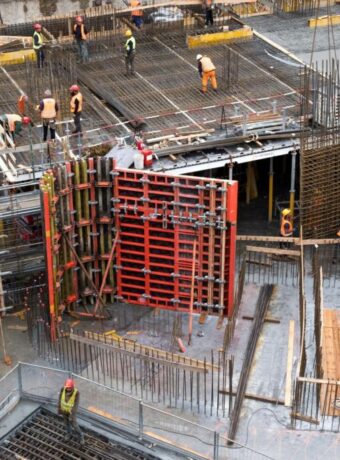
Auckland’s trades and construction sector is experiencing an unprecedented skills crisis as major infrastructure projects including the City Rail Link and housing developments compete for a shrinking pool of qualified tradespersons. This labour shortage is driving up project costs and threatening delivery timelines across the region’s most critical developments.
Auckland’s trades and construction industry is grappling with its most severe labour shortage in decades, as a perfect storm of major infrastructure projects, post-pandemic workforce disruptions, and demographic shifts creates intense competition for skilled workers. The crisis has reached a tipping point where project delays are becoming the norm rather than the exception, forcing the sector to confront fundamental questions about workforce planning and immigration policy.
The scale of demand is staggering. With the City Rail Link nearing completion, Auckland Light Rail in planning phases, and the government’s ambitious housing targets requiring thousands of new builds annually, the construction sector is being stretched beyond its capacity. Simultaneously, an aging workforce is retiring faster than new apprentices are entering the trades, creating a demographic cliff that threatens long-term industry sustainability.
Infrastructure Projects Drive Unprecedented Demand
The convergence of multiple mega-projects has created an unprecedented demand for skilled trades workers across Auckland. The City Rail Link alone has absorbed hundreds of specialists in tunnelling, electrical work, and rail systems installation. Meanwhile, the proposed Auckland Light Rail project promises to add further pressure on an already strained workforce.
Housing developments across the supercity are competing directly with infrastructure projects for the same pool of workers. Major residential developments in areas like Flat Bush, Hobsonville, and the upcoming Drury South require extensive earthworks, plumbing, electrical, and finishing trades. The situation has become so acute that some smaller residential projects are facing delays of six months or more simply waiting for available tradespeople.
Commercial construction has not been immune to these pressures. Office developments in the CBD and industrial projects in South Auckland are experiencing significant cost escalations as contractors bid up labour rates to secure necessary skills. Some projects have seen labour costs increase by 30-40% compared to pre-pandemic levels, fundamentally altering project economics.
Aging Workforce Compounds Skills Shortage
Demographic trends are exacerbating the immediate crisis. According to Statistics New Zealand, the construction sector has one of the oldest workforce profiles in the economy, with nearly 35% of workers aged over 50. Many experienced tradespeople who delayed retirement during the pandemic are now leaving the workforce, taking decades of expertise with them.
The apprenticeship system, long the backbone of trades training, has struggled to adapt to modern demands. While the number of apprentices has increased in recent years, completion rates remain concerning. Industry Training Organisations report that approximately 40% of apprentices fail to complete their qualifications, often lured away by immediate employment opportunities or deterred by the length of training programmes.
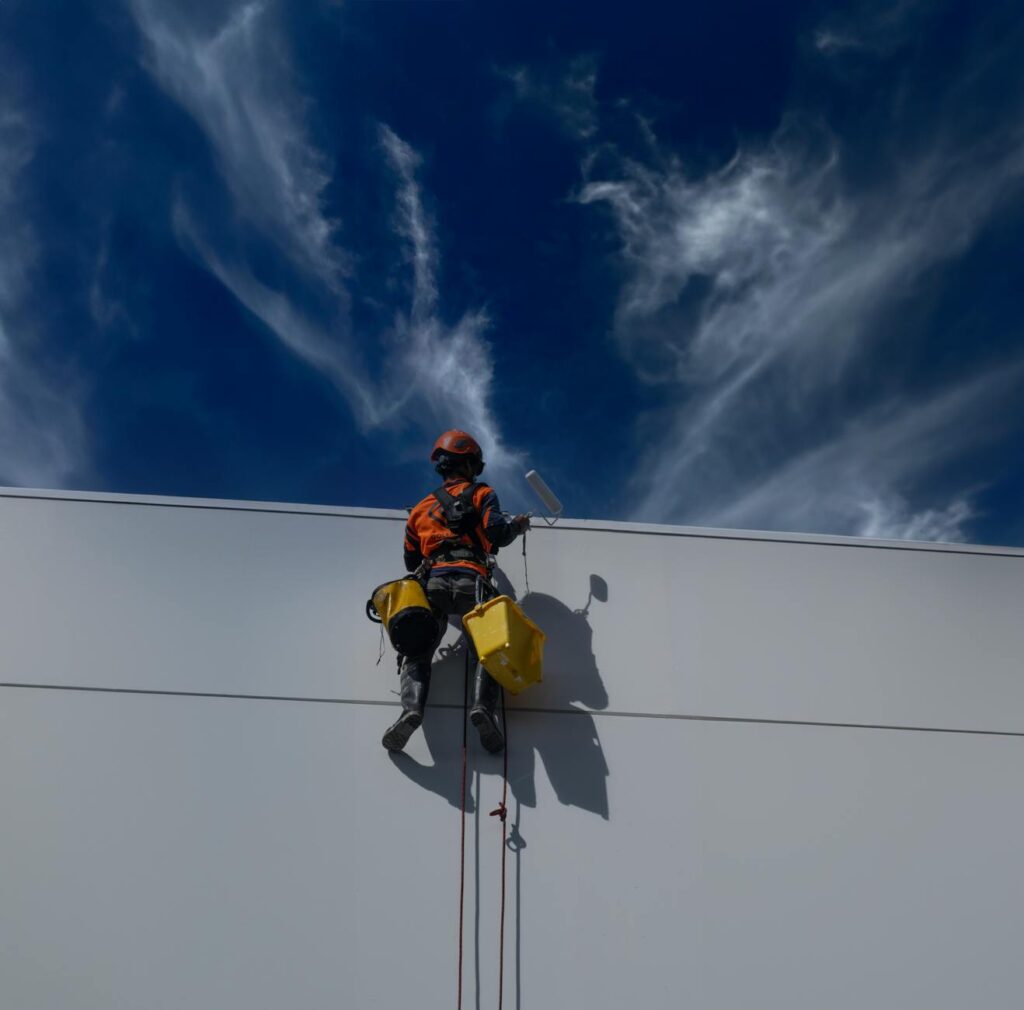
The situation is particularly acute in specialised trades. Crane operators, scaffolders, and certified welders command premium rates as their skills become increasingly scarce. Some contractors report having to import workers from Australia or other countries for specific projects, adding complexity and cost to already challenging builds.
Economic Pressures Mount Across the Sector
The labour shortage is creating a cascade of economic pressures throughout Auckland’s construction ecosystem. Material suppliers are facing irregular demand patterns as projects start and stop based on workforce availability rather than logical construction sequences. This has led to inefficiencies in supply chains and increased waste as materials sit unused on sites awaiting available workers.
Smaller construction companies are being squeezed particularly hard. Unable to compete with larger firms on wages, many are losing their most experienced workers to major infrastructure projects. This creates a vicious cycle where smaller firms struggle to tender competitively for new work, further reducing the overall capacity of the sector.
The residential construction market is showing signs of structural change as a result of these pressures. Some developers are pivoting toward prefabricated construction methods that require fewer on-site trades, while others are exploring modular housing solutions. These adaptations may provide long-term efficiency gains but require significant upfront investment and retraining.
Training and Immigration: Potential Solutions Under Scrutiny
Industry leaders are pushing for accelerated training programmes and expanded immigration pathways as immediate solutions to the crisis. The Construction Industry Training Organisation has proposed intensive 18-month certification programmes for certain trades, condensing traditional three-year apprenticeships. However, critics argue that such abbreviated training may compromise safety standards and long-term skill development.
Immigration policy has become a contentious issue within the sector. While construction employers advocate for expanded work visa categories and faster processing times, unions express concern about potential wage suppression and workplace safety implications. The government faces the delicate task of addressing immediate labour needs while protecting local workers’ interests.
Some innovative approaches are emerging from within the industry. Several large contractors are partnering with secondary schools to create construction-focused education pathways, hoping to attract students directly into trades careers. Virtual reality training systems are being trialled to accelerate skill development and reduce the time required for on-site supervision.
Critical Analysis: Short-term Fixes vs Long-term Strategy
While the current crisis demands immediate attention, the industry’s response reveals deeper structural issues that quick fixes cannot address. The traditional apprenticeship model, designed for a more stable labour market, appears increasingly unsuited to the volatile demands of modern construction cycles. The sector’s historical reliance on boom-bust employment patterns has created a workforce hesitant to commit to long-term career development.
The push for faster training programmes, while understandable given current pressures, risks creating a two-tier system of workers with potentially divergent skill levels and safety standards. This could have long-term implications for industry reputation and regulatory oversight. The construction sector’s safety record, already under scrutiny following several high-profile incidents, cannot afford to be compromised by rushed training initiatives.
Immigration as a solution presents its own complications. While skilled migrants can provide immediate relief, over-reliance on overseas workers may discourage investment in local training and career development. Australia’s experience with construction worker visas shows both the benefits and pitfalls of this approach, with some regions becoming dependent on temporary workers while local apprenticeship programmes stagnated.
The broader economic implications extend beyond construction. Auckland’s housing affordability crisis cannot be solved without adequate construction capacity, yet current workforce constraints make ambitious housing targets increasingly unrealistic. This creates a feedback loop where housing shortages drive further economic pressure, making Auckland less attractive to the very workers needed to solve the construction crisis.
Future Outlook and Industry Transformation
The current skills shortage may catalyse fundamental changes in how Auckland’s construction industry operates. Technology adoption, long lagging in construction compared to other sectors, is accelerating as companies seek to maintain productivity with fewer workers. Robotics, prefabrication, and digital project management tools are moving from experimental to essential.
The crisis also highlights the need for better workforce planning at a regional level. Auckland’s growth trajectory demands a more strategic approach to trades training that anticipates future project pipelines rather than reacting to current shortages. This requires closer coordination between government planning, education providers, and industry stakeholders.
Some industry observers suggest the current crisis represents a necessary correction, forcing the sector to abandon unsustainable labour practices and embrace more efficient construction methods. However, this transformation period brings significant risks, particularly for housing delivery and infrastructure completion timelines that are already under pressure.
The construction sector’s ability to navigate this crisis will largely determine Auckland’s development trajectory over the coming decade. Success requires balancing immediate workforce needs with long-term industry sustainability, while ensuring that quality and safety standards are not compromised in the rush to address current shortages.
As Auckland continues to grow and age infrastructure demands replacement, the stakes for resolving this skills crisis have never been higher. The decisions made today about training, immigration, and industry structure will shape the construction sector’s capacity to meet the city’s needs for years to come.