NZ Dairy Exports to USA: What Rising Trade Volumes Mean for Businesses in 2026
New Zealand dairy exports to the United States have reached a five-year high following the resolution of longstanding trade disputes, creating significant opportunities for local producers while raising questions about market concentration risks. The surge comes as US demand for premium dairy ingredients strengthens and domestic production faces constraints from environmental regulations.
What is driving the surge in NZ dairy exports to America?
US Dairy Import Trends
The catalyst for this export boom stems from the resolution of technical trade barriers that had limited New Zealand dairy access to US markets since 2021. Washington lifted restrictions on certain dairy protein imports in late 2025, coinciding with tighter US environmental regulations that have constrained domestic milk production in key states like California and Wisconsin.
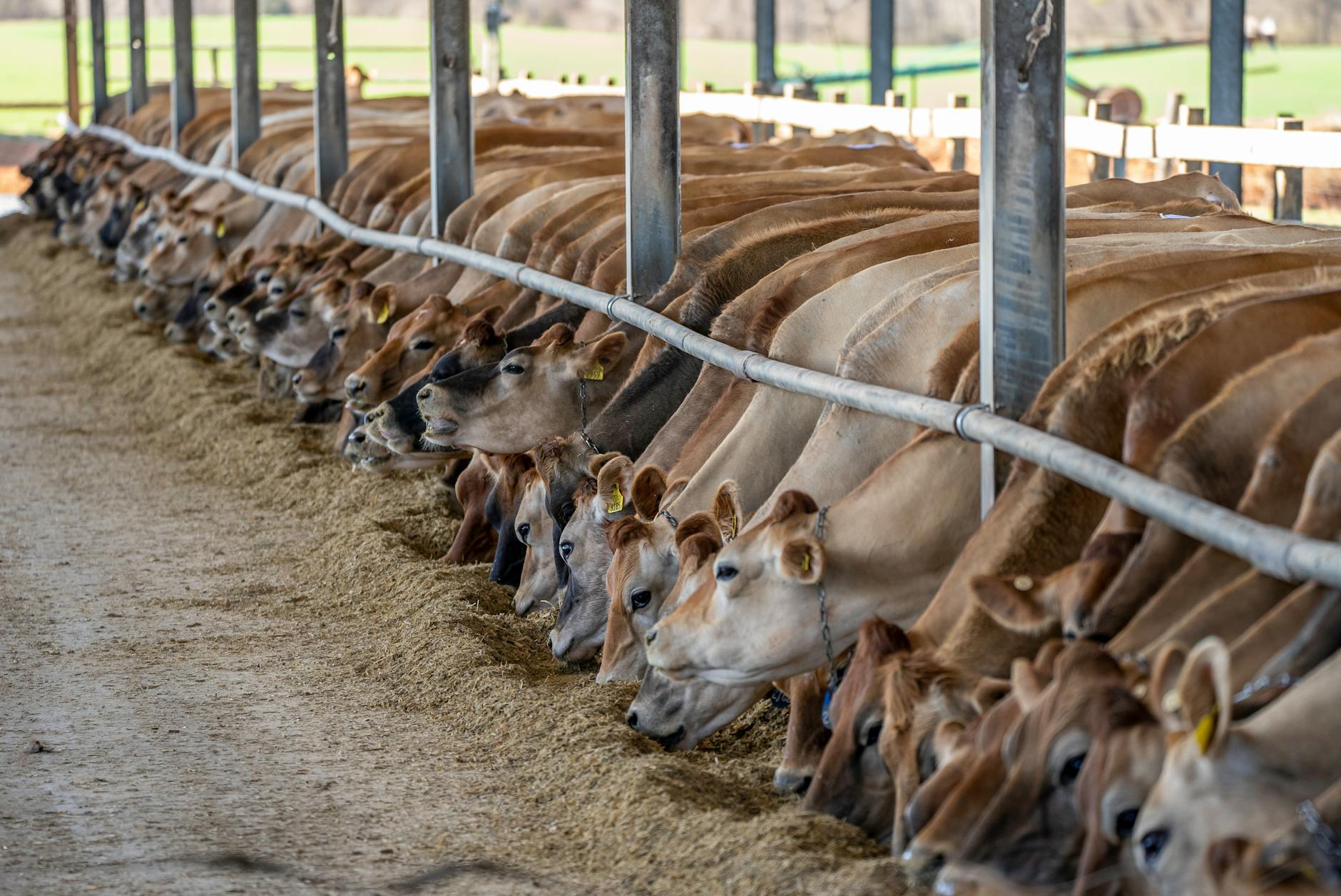
American food manufacturers are increasingly seeking high-quality dairy ingredients to meet consumer demand for premium products, particularly in the protein powder and infant formula segments. New Zealand’s reputation for grass-fed, sustainable dairy production aligns perfectly with these market trends. The US dollar’s relative strength against the New Zealand dollar has also made Kiwi dairy products more competitively priced.
Why is this happening now, and what makes it different from previous cycles?
This isn’t just another commodity cycle upswing. The current export growth reflects structural changes in both markets that suggest more sustained demand. US regulations around methane emissions and water usage have permanently reduced the expansion capacity of American dairy operations, particularly in drought-prone regions.
Simultaneously, New Zealand producers have invested heavily in traceability and sustainability credentials that American buyers increasingly demand. According to Chapman Tripp’s latest trade analysis, the regulatory alignment between both countries now provides a clearer pathway for sustained export growth compared to the volatile patterns of the past decade. The legal framework changes represent a fundamental shift rather than temporary market conditions.
Which New Zealand businesses stand to benefit most?
Fonterra and other major cooperatives are the obvious winners, but the opportunity extends well beyond the traditional players. Mid-tier processors focusing on organic and specialty dairy products are seeing particularly strong demand from US health food distributors and supplement manufacturers.
Supporting industries are equally positioned for growth. Logistics companies handling temperature-controlled freight, packaging specialists developing longer shelf-life solutions, and even financial services firms managing currency hedging for exporters are experiencing increased activity. Rural service providers, from farm consultants to milk tanker operators, are also seeing expanded business as production ramps up to meet American demand.
What does this mean for New Zealand’s broader business environment?
The dairy export surge is injecting significant foreign currency into the economy, but it’s creating uneven effects across sectors. Rural regions are experiencing labour shortages as dairy operations expand, driving up wages but also creating recruitment challenges for other industries.
The increased focus on the US market is also reshaping supply chains. Companies are investing in American-standard certifications and quality systems, costs that smaller operators struggle to absorb. This is accelerating consolidation in the sector, with larger players better positioned to meet the compliance and scale requirements of US buyers. The knock-on effects include increased demand for professional services, from legal advice on US regulations to logistics planning.
What are the key risks that businesses should be monitoring?
Market concentration presents the most significant risk. Heavy reliance on US demand makes New Zealand dairy vulnerable to policy changes in Washington, whether through trade disputes, regulatory shifts, or protectionist measures. The US political cycle means trade policies can shift dramatically with little warning.
Currency volatility adds another layer of risk. While a weak New Zealand dollar currently benefits exporters, any significant strengthening could quickly erode competitiveness. Climate risks are also intensifying, with both droughts in New Zealand and extreme weather events in the US capable of disrupting supply chains. Competition from European producers, who are also eyeing the lucrative US market, could squeeze margins as supply increases globally.
How should businesses prepare for the next 12 months?
Companies across the supply chain need to stress-test their exposure to US market volatility. This means diversifying customer bases where possible and maintaining flexibility in production and distribution systems. Businesses should also invest in understanding US regulatory requirements, as compliance standards are likely to tighten further.
For dairy producers, the priority is securing long-term contracts with US buyers while maintaining capacity to serve other markets. Supporting businesses should focus on scalability – the ability to handle increased volumes without compromising service quality. Currency hedging strategies become crucial as export revenues grow, particularly for companies with significant New Zealand dollar costs.
What happens next for the US-NZ dairy trade relationship?
The next 12 months will likely see continued growth, but at a more sustainable pace than the initial surge. US import data suggests demand will remain strong through 2026, particularly for specialty dairy products where New Zealand has competitive advantages. However, the rate of growth is expected to moderate as American producers adapt to new regulations and potentially increase domestic output.
The real test will come during the next US electoral cycle, when trade policies could shift. New Zealand businesses that have built direct relationships with American customers and invested in US-compliant operations will be best positioned to weather any political turbulence. The key for Kiwi companies is treating this opportunity as a long-term market development rather than a short-term windfall.