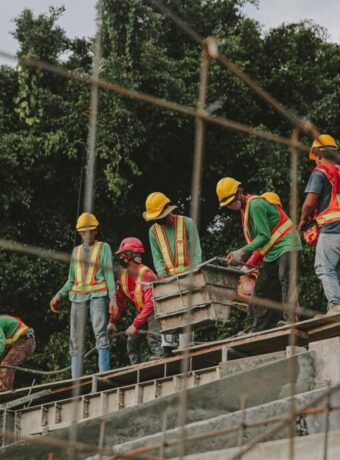

Tradies Face Critical Skills Gap as Major Infrastructure Projects Compete for Workforce
New Zealand’s construction industry is experiencing an acute shortage of skilled tradies as major infrastructure projects absorb available workers, leaving the residential building sector struggling to find qualified staff. The competition for skilled labour has driven wages up by 15% in the past year but threatens to delay housing developments across the country.
The squeeze on New Zealand’s tradies workforce has reached a critical point, with master builders reporting unprecedented difficulty securing electricians, plumbers, and carpenters for residential projects. Government infrastructure initiatives including the Auckland Light Rail project, hospital rebuilds, and climate resilience upgrades are drawing skilled workers away from house construction at a time when the country desperately needs new housing stock.
Industry leaders warn that the current trajectory could see residential building costs spiral further upward, potentially pricing out first-home buyers already struggling with affordability. The average daily rate for experienced electricians has jumped from $450 to $520 over the past twelve months, while qualified plumbers are commanding similar premiums across both islands.
Canterbury Master Builders Association chief executive Barry Lyndon says the shortage represents the most challenging recruitment environment he has witnessed in three decades. The region, still recovering from earthquake reconstruction demands, now faces additional pressure from Cook Strait ferry infrastructure upgrades and Three Waters implementation projects.
According to Building and Construction Minister’s office, the finding showed only 2,100 new Licensed Building Practitioners registered last year against an estimated need for 4,500 additional qualified tradies annually through 2028.
The skills shortage extends beyond traditional building trades, with civil construction demanding heavy machinery operators and infrastructure specialists. Watercare’s $2.4 billion central interceptor project alone requires 800 specialised workers, many poached from residential contractors offering lower rates and less complex working conditions.
Immigration policy changes have compounded the problem, with skilled migrant visa processing delays leaving approved tradies waiting months for work permits. Meanwhile, existing workers face burnout from excessive overtime demands, creating a cycle where experienced practitioners leave the industry entirely.
Training initiatives launched by Competenz and the Building and Construction Industry Training Organisation show promise but cannot address immediate shortfalls. Apprenticeship numbers have increased 23 percent, yet completion rates remain concerning as trainees abandon programmes for immediate employment opportunities in understaffed companies.
The wage inflation affecting tradies reflects broader economic pressures but threatens smaller residential builders who cannot match infrastructure project rates. Several Christchurch firms report losing entire teams to Meridian Energy’s renewable projects, forcing project delays and client frustration.
Regional variations compound the challenge, with West Coast and Southland builders particularly affected by worker migration to Auckland and Wellington infrastructure hubs. The geographical concentration of major projects creates skills deserts in areas needing earthquake strengthening and housing development.
Housing Minister Chris Bishop acknowledges the workforce pressures but maintains that infrastructure investment ultimately benefits the construction sector through improved productivity and connectivity. Critics argue the timing creates unnecessary competition when housing delivery should take priority over discretionary projects.
Industry analysts predict the shortage will persist through 2027, potentially forcing government reconsideration of project sequencing to avoid cannibalising residential construction capacity. The Alternative approach might involve spreading major infrastructure work across longer timeframes, allowing workforce development to keep pace with demand.
Similar workforce crunches during the Canterbury rebuild saw temporary migration of Australian tradies, but current trans-Tasman labour market conditions make this solution less viable. Australian construction activity remains robust, offering competitive packages that reduce New Zealand’s traditional recruitment advantage.
The situation mirrors workforce shortages experienced during the late 2000s housing boom, when infrastructure investment similarly competed with residential development. That period saw construction costs rise 40 percent before the Global Financial Crisis provided workforce relief through reduced building activity.