NZ Tech Hardware Procurement: Supply Chain Recovery and AI-Driven Demand Reshape Business IT Investment
New Zealand businesses are navigating a complex hardware procurement landscape as global supply chains normalise while AI-driven demand creates new investment pressures. Industry experts project significant shifts in enterprise IT spending patterns over the next 12 months as companies balance budget constraints with technological advancement requirements.
At a glance
- Global semiconductor supply chains stabilising after three years of disruption, enabling more predictable NZ hardware procurement cycles
- Enterprise AI adoption driving 35-40% increase in high-performance computing requirements across NZ businesses
- Foreign exchange volatility creating 15-20% cost fluctuations for imported tech hardware through 2026-27
- Government procurement reforms under the Public Procurement Rules 2024 affecting technology acquisition processes
- Rising cybersecurity requirements mandating hardware refresh cycles every 3-4 years instead of previous 5-6 year standards
Supply Chain Stabilisation Creates Procurement Opportunities
The hardware procurement environment shows marked improvement from the chaos of 2022-2024. Lead times for enterprise servers have contracted from 16-20 weeks to 8-12 weeks, while laptop availability has returned to pre-pandemic norms of 4-6 weeks for standard configurations.
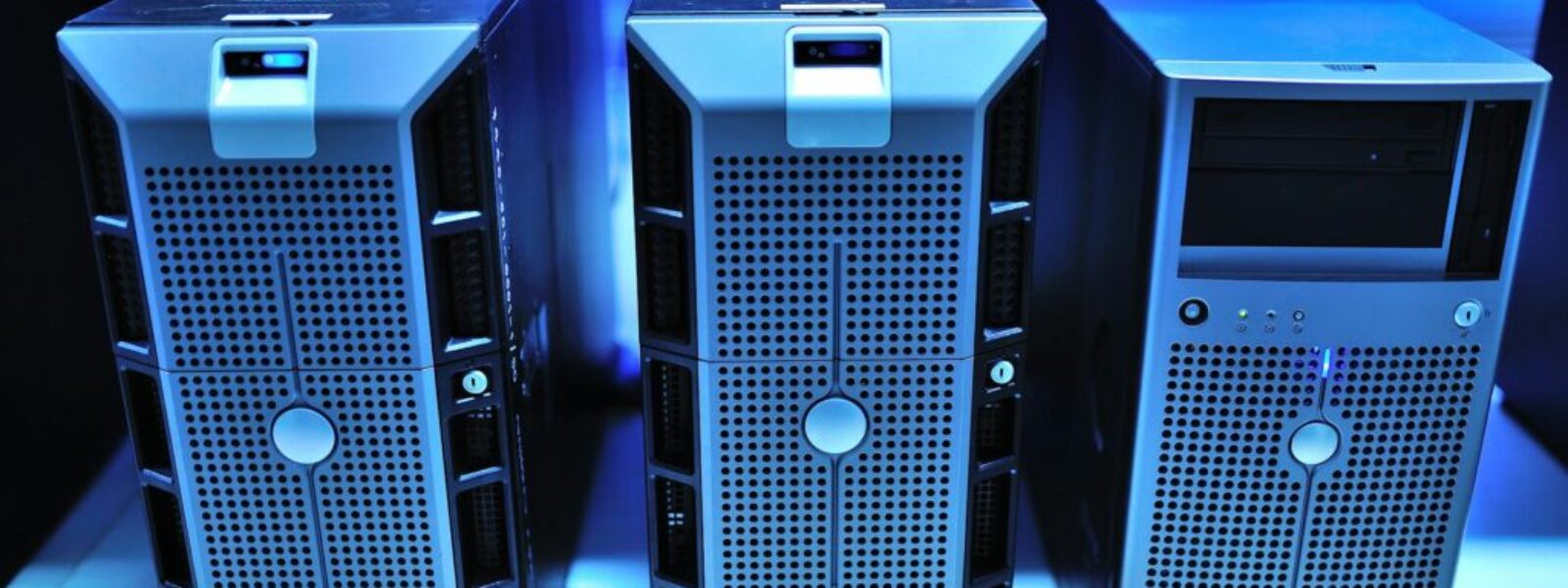
- Server hardware: Dell PowerEdge and HPE ProLiant series showing consistent 10-12 week delivery schedules
- Workstation laptops: Lenovo ThinkPad and HP EliteBook ranges available with 3-4 week lead times
- Networking equipment: Cisco and Aruba switching infrastructure delivery normalised to 6-8 weeks
- Storage systems: Enterprise SAN and NAS solutions from NetApp and Pure Storage stabilising at 12-14 week cycles
However, this stability comes with a caveat. According to Gartner, the finding showed global IT spending growth moderating to 2.6% in 2024, suggesting price competition may intensify as supply normalises.
AI Infrastructure Demands Reshape Hardware Requirements
The artificial intelligence revolution is fundamentally altering enterprise hardware specifications across New Zealand businesses. Companies are discovering that legacy infrastructure cannot support modern AI workloads, forcing accelerated replacement cycles.
- GPU requirements: NVIDIA A100 and H100 series demand increasing 400% year-on-year for NZ enterprises
- Memory specifications: Minimum 64GB RAM becoming standard for AI-capable workstations, up from previous 16-32GB norms
- Processing power: Intel Xeon and AMD EPYC processors with AI acceleration features commanding premium pricing
- Storage performance: NVMe SSD arrays replacing traditional spinning disk storage to support real-time AI model training
This shift presents both opportunity and risk. Early adopters gain competitive advantages through enhanced automation and analytics capabilities. However, the investment required often exceeds traditional IT budget allocations by 200-300%.
Currency Volatility Impacts Cost Planning
The New Zealand dollar’s performance against major trading currencies creates significant procurement planning challenges. Hardware imports predominantly priced in USD face substantial cost variations.
- Exchange rate impact: NZD/USD fluctuations between 0.58-0.63 creating 15-20% cost variations quarterly
- Hedging strategies: Large enterprises implementing 6-12 month currency forward contracts for major purchases
- Price protection: Vendor agreements including currency adjustment clauses becoming standard practice
- Budget planning: IT directors building 20-25% contingency reserves for exchange rate movements
Regulatory Changes Affect Procurement Processes
The Public Procurement Rules 2024 introduced significant changes affecting government and quasi-government entity technology purchases. These modifications ripple through the broader market as suppliers adjust operational models.
- Tender processes: Mandatory sustainability criteria now weighted at 15-20% of evaluation scoring
- Local content requirements: Minimum 10% New Zealand value-add mandatory for contracts exceeding $2 million
- Cybersecurity standards: Compliance with NZISM (New Zealand Information Security Manual) mandatory for all government hardware
- Supplier diversity: Preference weighting for Māori and Pacific Island-owned technology businesses
Cybersecurity Drives Accelerated Refresh Cycles
Escalating cyber threats are compressing traditional hardware replacement timelines. The previous standard of 5-6 year refresh cycles proves inadequate for maintaining security postures.
- Operating system support: Windows 10 end-of-life in October 2025 forcing enterprise laptop upgrades
- Hardware security: TPM 2.0 and secure boot requirements eliminating older equipment from corporate networks
- Encryption capabilities: Advanced encryption standard (AES-256) hardware acceleration becoming mandatory
- Remote work security: Zero-trust architecture requiring hardware-based security features
Strategic Procurement Approaches
Forward-thinking New Zealand businesses are adopting sophisticated procurement strategies to navigate these complex conditions. Traditional annual budget cycles prove insufficient for dynamic hardware markets.
- Flexible budgeting: Quarterly review cycles replacing annual IT budget allocations
- Vendor partnerships: Multi-year agreements with volume discounts and guaranteed availability
- Leasing models: Operating lease arrangements providing technology refresh flexibility without capital constraints
- Hybrid approaches: Combination of purchase and lease strategies optimising cash flow and technology currency
Market Consolidation Creates Vendor Risks
The global technology industry continues consolidating, creating supplier concentration risks for New Zealand businesses. Major acquisitions and partnerships reshape vendor landscapes.
- Supplier dependency: Over-reliance on single vendors creating business continuity risks
- Price coordination: Market consolidation reducing competitive pricing pressure
- Support quality: Merged organisations often experiencing service delivery disruptions during integration
- Technology roadmaps: Acquisition activity creating uncertainty around product development priorities
Impact
New Zealand businesses face a critical 12-month window requiring strategic hardware procurement decisions. The convergence of supply chain normalisation, AI infrastructure requirements, and regulatory changes creates both significant opportunities and substantial risks.
Companies moving decisively on AI-capable infrastructure will establish competitive moats difficult for competitors to bridge. However, the substantial investment requirements demand careful financial planning and risk management. Currency hedging becomes essential for major purchases, while vendor diversification strategies mitigate supplier concentration risks.
The regulatory environment favours businesses demonstrating sustainability commitments and local partnership approaches. Government and quasi-government organisations must adapt procurement processes to meet new compliance requirements, potentially extending acquisition timelines.
Most critically, cybersecurity imperatives eliminate the option of delaying hardware refresh cycles. Businesses maintaining older equipment face exponentially increasing security risks that could prove catastrophic. The convergence of Windows 10 end-of-life and escalating cyber threats creates an urgent replacement imperative that cannot be deferred without substantial business risk.