New Zealand Retail Giants Face Supply Chain Crisis as Port Strikes Enter Third Week
New Zealand’s largest retail chains are experiencing significant supply chain disruptions as port workers’ strikes enter their third week, forcing companies to explore costly air freight alternatives and warning of potential stock shortages during the crucial Easter trading period. The industrial action, affecting Auckland, Wellington, and Christchurch ports simultaneously, represents the most severe logistics challenge facing the retail sector since the COVID-19 border closures.
Supply Chain Disruption Escalates Across Major Ports
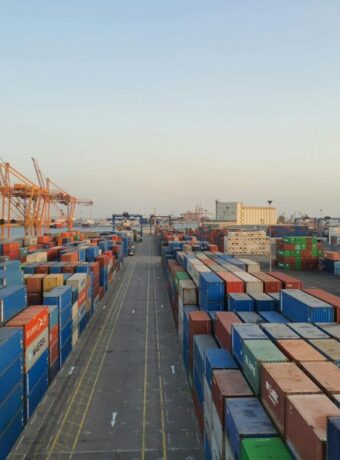
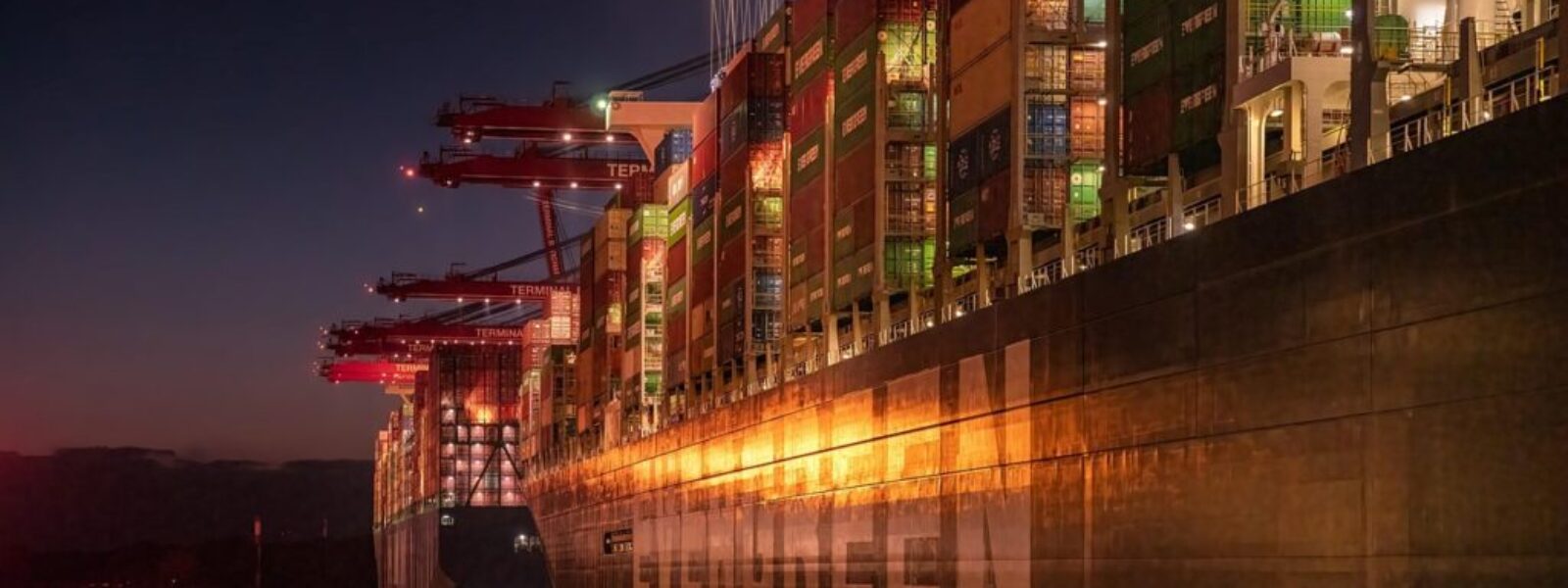
The coordinated strike action across New Zealand’s three major ports has created an unprecedented bottleneck for retail imports, with container ships now queuing offshore at all affected facilities. The Warehouse Group, Farmers, and other major retail chains report that approximately 40% of their Easter inventory remains stranded on vessels, unable to reach distribution centres. This timing is particularly damaging given that Easter typically represents one of the strongest trading periods for fashion retailers and general merchandise stores.
Port of Auckland alone handles roughly 60% of New Zealand’s container trade, making the strike’s impact disproportionately severe for North Island retailers. The simultaneous nature of the industrial action has eliminated the usual fallback option of redirecting cargo through alternative ports, forcing retailers into expensive mitigation strategies. Several major chains have already begun chartering cargo flights from Australia and Asia, despite air freight costs running up to ten times higher than sea transport.
Financial Impact Spreads Beyond Direct Shipping Costs
The financial ramifications extend well beyond increased transportation expenses, with retailers facing inventory write-offs, missed sales opportunities, and potential customer loyalty erosion. According to Retail NZ, the combined daily impact of the port strikes on the retail sector now exceeds $15 million, with fashion retailers bearing the heaviest burden due to seasonal inventory constraints. The organisation warns that prolonged disruption could force smaller retailers into administration, particularly those lacking the financial reserves to absorb extended periods of reduced revenue.
The Warehouse Group has already indicated it may need to revise its full-year guidance downward if the strikes extend beyond the current week, while Farmers owner James Pascoe Group faces similar pressures ahead of its crucial Mother’s Day trading period. The ripple effects are also impacting retail employment, with several chains implementing temporary reduced hours and considering temporary layoffs if stock levels cannot be replenished quickly.
Emergency Freight Solutions Prove Costly and Limited
Retailers are rapidly discovering that alternative shipping solutions cannot fully compensate for the scale of disruption caused by simultaneous port closures. Air freight capacity from key Asian manufacturing hubs remains severely constrained, with available cargo space commanding premium rates and priority booking requirements. This has created a two-tier system where only the largest retail chains with substantial financial resources can secure alternative supply routes, while smaller operators face complete inventory depletion.
The emergency freight measures being deployed include charter flights from Sydney and Melbourne for urgent items, expedited rail connections to Australian ports, and even truck transportation of high-value goods across the Tasman via cargo vessels. However, these solutions can only handle a fraction of normal import volumes and are economically unsustainable for lower-margin retail categories. The situation has prompted urgent discussions between the retail sector and government about potential emergency freight subsidies.
Consumer Behaviour Shifts Signal Deeper Market Impact
Early indicators suggest New Zealand consumers are already modifying their shopping behaviour in response to limited product availability, with online retailers reporting increased demand for items typically purchased in physical stores. This shift is particularly pronounced in electronics and home goods categories, where consumers are increasingly turning to overseas online retailers rather than waiting for local stock replenishment. Such behavioural changes could have lasting implications for New Zealand retail market share, particularly if international competitors use this disruption to establish stronger local customer relationships.
The timing coincides with an already challenging retail environment, where consumer spending has been constrained by elevated interest rates and cost-of-living pressures. Industry analysts warn that the combination of reduced product availability and potential price increases due to higher freight costs could further dampen consumer confidence and spending patterns. This scenario bears uncomfortable similarities to the supply chain crisis of 2021-2022, when many retailers struggled to regain lost market share even after logistics normalised.
Government Intervention Faces Political and Economic Complexities
The government finds itself in an increasingly difficult position as calls grow for intervention in the port dispute, with retail industry representatives arguing that the strikes constitute a national economic emergency. However, any government involvement must navigate complex industrial relations protocols while avoiding setting precedents that could encourage future coordinated strike action across critical infrastructure. The situation is further complicated by the ports being operated under different ownership structures, with some remaining council-controlled while others operate as private entities.
Prime Minister’s office sources indicate that emergency legislation compelling a return to work remains a last resort option, though the possibility is being actively considered as economic damage estimates continue to escalate. The retail sector’s contribution to employment and tax revenue provides compelling justification for intervention, but such action would likely face strong opposition from union movements and could complicate future labour negotiations across multiple industries.
Long-term Implications for New Zealand Retail Resilience
This crisis is likely to accelerate existing discussions about supply chain diversification and resilience planning within the New Zealand retail sector. The experience of simultaneous port disruptions has highlighted the vulnerability of import-dependent retailers to coordinated industrial action, potentially spurring investment in alternative logistics strategies and domestic sourcing initiatives. However, the economic reality of New Zealand’s geographic isolation means that complete supply chain independence remains impractical for most retail categories.
The incident may also catalyse broader conversations about critical infrastructure protection and the balance between workers’ rights to industrial action and national economic security. Some industry observers suggest this could lead to legislative changes requiring minimum service levels during strikes at essential infrastructure facilities, similar to arrangements in other developed economies. The retail sector’s response to this crisis will likely establish new benchmarks for supply chain risk management and emergency planning protocols across the industry.