
New Zealand Real Estate Market Faces Perfect Storm as Mortgage Rates and Construction Costs Squeeze Both Ends
New Zealand’s real estate market is experiencing a dual squeeze from rising mortgage rates and escalating construction costs, creating unprecedented challenges for both buyers and developers. This perfect storm threatens to prolong the current housing market downturn well into 2024, with significant implications for the broader economy.
New Zealand’s real estate sector is confronting its most challenging period in over a decade, as simultaneously rising mortgage rates and construction costs create a perfect storm that threatens to fundamentally reshape the housing market landscape. The convergence of these two critical factors is not merely creating temporary headwinds but potentially establishing new structural realities that could define the real estate market for years to come.
The current mortgage rate environment has reached levels not seen since the global financial crisis, with average floating rates now exceeding 8.5% and fixed rates climbing steadily above 7%. This dramatic shift from the ultra-low rate environment that characterised the post-COVID period has fundamentally altered the affordability equation for potential homebuyers across the country. First-time buyers, who drove much of the market activity during the pandemic boom, now find themselves priced out of markets they could previously access.
Construction Costs Spiral Beyond Historical Norms
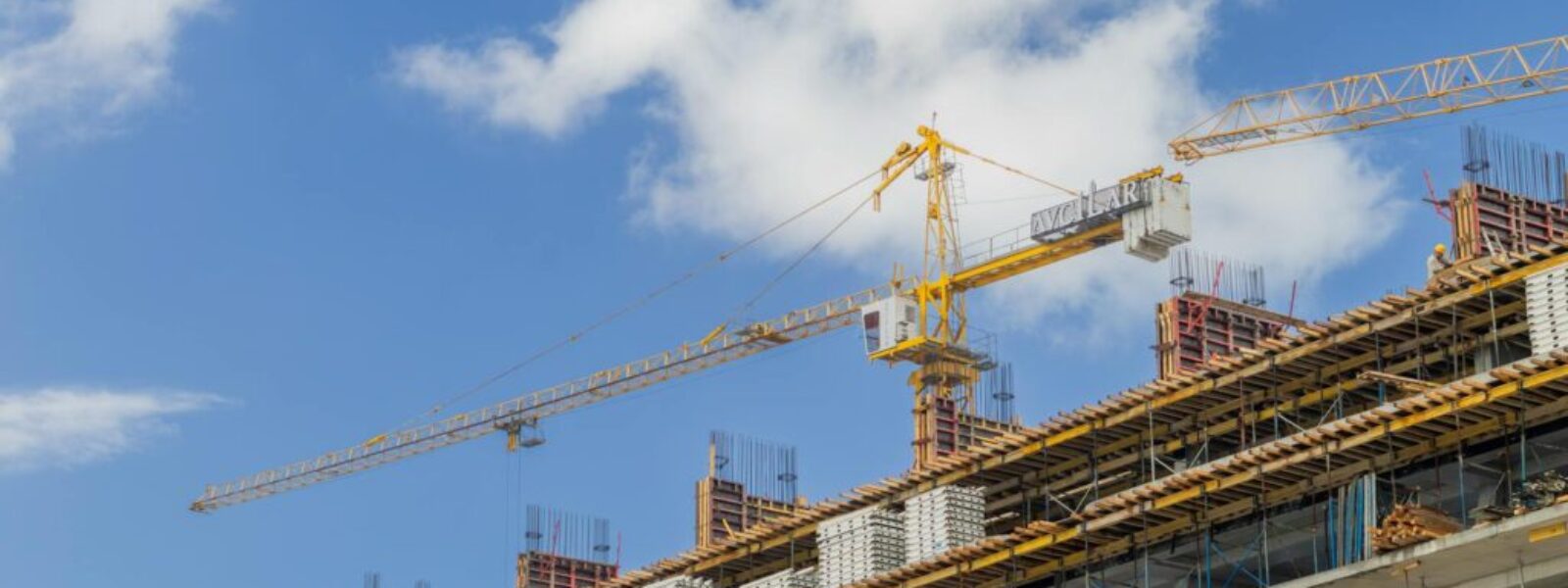
Parallel to the mortgage rate crisis, construction costs have experienced their own explosive growth trajectory. Building materials have increased by an average of 35% over the past two years, with some key materials seeing even steeper rises. Timber, steel, and concrete prices have all reached historic highs, while labour shortages in the construction sector have driven wage costs up by approximately 25% across major centres.
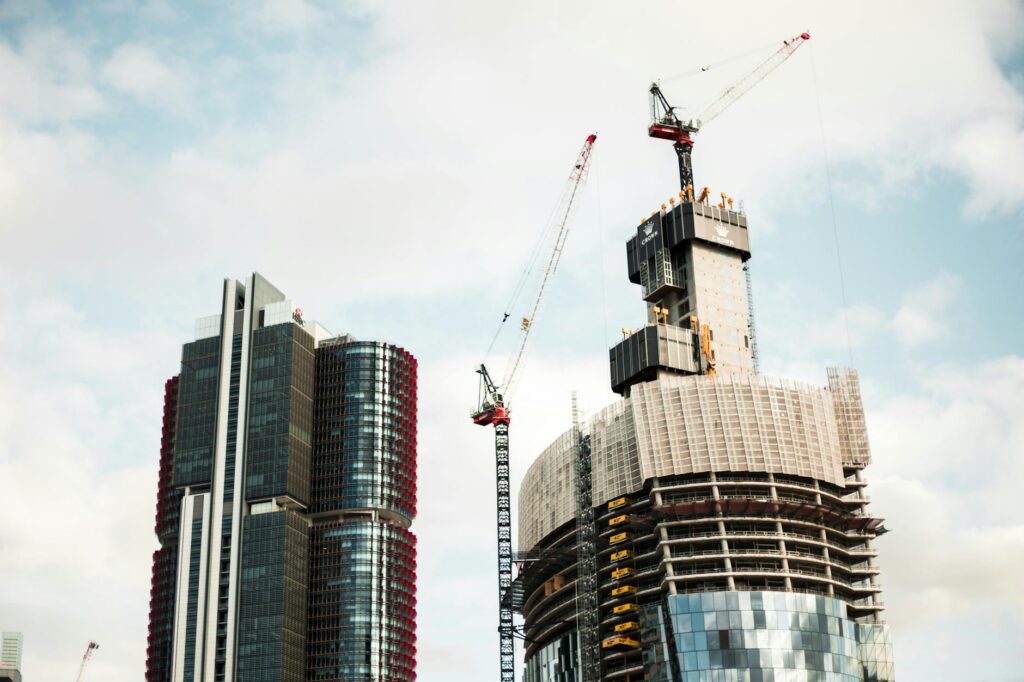
The construction cost inflation extends beyond raw materials to encompass virtually every aspect of the building process. Consent processing times have lengthened significantly in most councils, adding both direct costs through extended carrying charges and indirect costs through project delays. Insurance costs for construction projects have also escalated, with some developers reporting increases of 40-50% in their coverage premiums over the past 18 months.
According to Statistics New Zealand, the capital goods price index for residential building construction has increased by 8.2% in the year to September 2023, marking one of the steepest annual increases on record. This sustained cost pressure shows no immediate signs of abating, with industry experts predicting further increases through the first half of 2024.
Regional Variations Paint Complex Picture
The impact of these dual pressures varies significantly across New Zealand’s regional real estate markets. Auckland, despite its size and economic importance, has seen some of the most dramatic corrections in both transaction volumes and median prices. The city’s high baseline property values make the affordability impact of higher mortgage rates particularly acute, while construction costs in the Super City consistently track above national averages.
Wellington’s real estate market faces additional complexity from public sector employment uncertainties and the ongoing effects of earthquake strengthening requirements. The capital’s commercial real estate sector has been particularly affected by changing work patterns, creating knock-on effects for residential demand as employment patterns shift.
Christchurch presents a unique case study, where post-earthquake reconstruction momentum is now confronting the same cost and financing headwinds affecting other centres. The city’s relatively lower baseline property values provide some buffer against affordability pressures, but construction cost inflation hits particularly hard in a market still completing its rebuild phase.
Developer Margins Under Unprecedented Pressure
The real estate development sector finds itself squeezed between rising input costs and falling demand, creating margin pressures not seen since the 1990s. Many developers report project feasibility studies that were viable six months ago are now marginal or uneconomical. This has led to a significant slowdown in new residential developments being brought to market, potentially exacerbating housing supply shortages in the medium term.
Land banking has become increasingly expensive as holding costs rise with interest rates, forcing some developers to either expedite projects under unfavourable conditions or dispose of development sites at reduced values. The rental yield compression experienced across most markets provides little relief for build-to-rent developments, traditionally seen as a hedge against volatile sales markets.
Critical Analysis: A Correction Long Overdue
While the current market conditions create genuine hardship for many participants, they also represent a necessary correction to what had become an unsustainable trajectory. The pandemic-era combination of ultra-low interest rates, supply chain disruptions, and changing lifestyle preferences created artificial demand and cost structures that were never going to persist indefinitely.
The current adjustment, painful as it is, may ultimately establish a more sustainable foundation for the real estate market. Historical analysis suggests that periods of significant market stress often precede extended periods of more balanced growth, where price appreciation aligns more closely with income growth and genuine economic fundamentals.
However, the risk exists that the current correction overshoots to the downside, potentially creating new imbalances. The construction sector’s response to current conditions could determine whether New Zealand emerges from this period with adequate housing supply or faces renewed shortages once demand recovers. Early indicators suggest that building consent applications are declining rapidly, potentially setting the stage for future supply constraints.
Economic Implications Extend Beyond Real Estate
The real estate sector’s challenges extend well beyond property transactions to influence broader economic conditions. Construction directly employs over 280,000 New Zealanders, making it one of the country’s largest employment sectors. The current slowdown in building activity has already begun affecting employment in construction-related industries, from manufacturing to transportation.
Local government finances also face pressure from reduced development contributions and building consent fees, at precisely the time when infrastructure investment needs are greatest. This creates a potential feedback loop where reduced council revenues constrain infrastructure development, further limiting the capacity for new housing development.
The wealth effect from declining property values is beginning to manifest in reduced consumer spending across discretionary categories. Given that residential property represents approximately 60% of New Zealand household wealth, sustained price declines could significantly impact consumer confidence and spending patterns.
Looking Ahead: Structural Changes May Persist
The confluence of higher mortgage rates and elevated construction costs may establish new structural realities for New Zealand’s real estate market that persist well beyond the current cycle. The era of ultra-low interest rates appears permanently behind us, suggesting that property affordability calculations based on recent historical norms may no longer be relevant.
Construction cost inflation, driven partly by global commodity cycles and climate change adaptation requirements, may also represent a new baseline rather than a temporary spike. Building code changes incorporating higher resilience standards, while necessary for long-term sustainability, add permanent cost layers to new construction.
These structural shifts suggest that New Zealand’s real estate market may need to adapt to permanently higher price-to-income ratios and different ownership patterns. The rental market may become a more permanent housing solution for segments of the population previously expected to transition to homeownership.
The current perfect storm affecting New Zealand’s real estate market represents more than a cyclical downturn – it signals a fundamental recalibration of the housing sector’s role in the broader economy. While the immediate impacts create significant challenges for market participants, the ultimate outcome may be a more sustainable housing market better aligned with long-term economic realities. The critical question is whether policymakers and market participants can navigate this transition while minimising broader economic disruption and maintaining adequate housing supply for New Zealand’s growing population.