
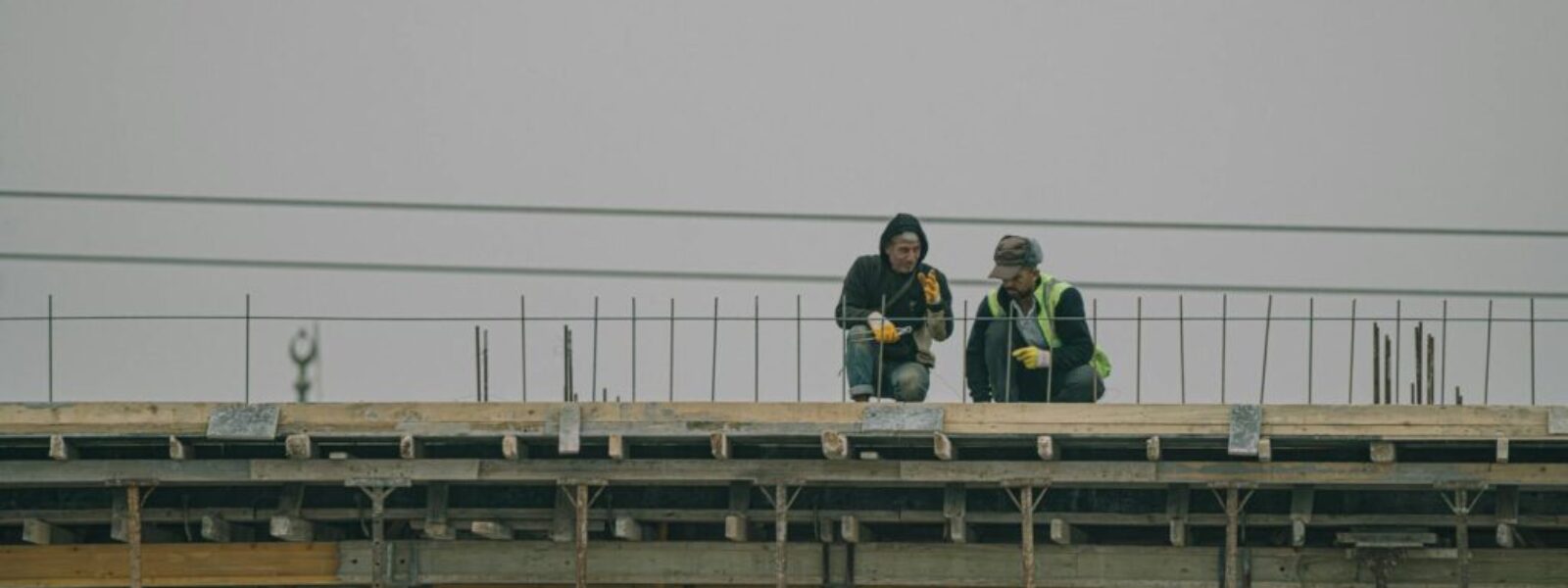
Labour Shortage Crisis Deepens as Latest NZ News Reveals Construction and Healthcare Hit Hardest
TLDR: Latest NZ News reports reveal New Zealand’s labour shortage crisis has intensified, with construction and healthcare sectors experiencing critical staffing gaps that threaten to derail economic recovery efforts and drive wage inflation beyond Reserve Bank targets.
New Zealand’s labour market is experiencing unprecedented strain as the latest economic data reveals acute shortages across critical sectors, fundamentally reshaping the country’s employment landscape. The construction and healthcare industries are bearing the brunt of this crisis, with job vacancy rates climbing to record highs and wage pressures mounting across the economy.
The severity of the situation has become apparent through recent industry surveys and government data, showing that New Zealand’s tight labour market is now constraining economic growth rather than supporting it. This shift represents a significant challenge for policymakers who must balance addressing workforce shortages while managing inflationary pressures.
Construction Sector Faces Perfect Storm
The construction industry, already grappling with supply chain disruptions and regulatory changes, is now confronting its most severe labour shortage in decades. Industry leaders report that skilled tradespeople are commanding premium wages, with some companies offering signing bonuses and unprecedented benefits packages to secure workers.
Master Builders Association data indicates that 78% of construction companies are experiencing difficulty finding qualified staff, up from 65% just six months ago. This shortage is particularly acute in specialised trades such as electrical work, plumbing, and carpentry, where aging demographics meet insufficient training pipeline development.
The ripple effects extend beyond individual companies to national infrastructure projects. Several high-profile developments have faced delays, with contractors unable to secure adequate workforce numbers. This bottleneck threatens the government’s ambitious housing and infrastructure agenda, potentially slowing progress on critical projects designed to address New Zealand’s housing affordability crisis.
Healthcare System Under Unprecedented Pressure
New Zealand’s healthcare system is simultaneously experiencing its own workforce crisis, with nursing and medical professional shortages reaching critical levels. The combination of pandemic-related burnout, emigration to higher-paying overseas positions, and reduced immigration has created a perfect storm of staffing challenges.

Te Whatu Ora data shows nursing vacancy rates have climbed to 15% nationally, with some regions experiencing shortages exceeding 20%. This has forced healthcare providers to rely increasingly on expensive temporary staffing solutions, driving up operational costs and straining budgets across the sector.
The situation is compounded by an aging nursing workforce, with approximately 30% of registered nurses expected to retire within the next decade. Training programmes are struggling to keep pace with demand, creating a structural deficit that cannot be quickly resolved through traditional recruitment methods.
Wage Inflation Pressures Mount
The labour shortage crisis is driving significant wage inflation across affected sectors, with some industries seeing annual pay increases exceeding 8%. This trend is particularly pronounced in construction and healthcare, where employers are competing aggressively for limited talent pools.
Construction workers with specialised skills are commanding wages 25-30% higher than pre-pandemic levels, while healthcare professionals are seeing similar increases. These wage pressures are beginning to flow through to other sectors as employers struggle to retain staff who might otherwise pursue opportunities in high-demand industries.
The Reserve Bank of New Zealand has expressed concern about wage-price spirals, warning that sustained labour market tightness could undermine efforts to control inflation. Governor Adrian Orr recently noted that wage growth exceeding productivity gains poses risks to long-term economic stability.
Skills Gap Widens Despite Training Efforts
Despite increased investment in vocational training and apprenticeship programmes, New Zealand’s skills gap continues to widen. Industry Training Organisations report that while enrolment numbers have increased, completion rates remain problematic, particularly in construction trades.
The challenge extends beyond traditional vocational skills to include emerging technologies and digital capabilities. Healthcare’s increasing reliance on advanced medical technologies requires ongoing professional development, while construction’s adoption of Building Information Modelling (BIM) and sustainable building practices demands new skill sets.
Educational institutions are struggling to adapt curricula quickly enough to meet evolving industry needs. This mismatch between training outputs and employer requirements perpetuates the shortage cycle, as graduates often require additional on-the-job training before becoming fully productive.
Critical Analysis: Policy Responses Fall Short
The government’s response to these labour shortages reveals a concerning disconnect between policy ambition and practical implementation. While initiatives such as the Fast-track Apprenticeship Programme and increased healthcare training funding represent positive steps, they fail to address the immediate crisis facing employers.
Immigration policy adjustments have provided some relief, with streamlined visa processes for skilled workers in shortage occupations. However, these measures risk creating long-term dependency on overseas workers rather than developing domestic capacity. This approach mirrors Australia’s experience during the mining boom, where temporary solutions became permanent crutches, ultimately undermining local training and development.
The wage inflation spiral now evident in construction and healthcare could spread to other sectors if left unchecked. Historical precedents suggest that once wage expectations become entrenched, they prove difficult to moderate without significant economic cooling. The 1970s inflation episode provides a cautionary tale of how labour market tightness can transform into sustained price pressures.
Furthermore, the quality of public services may deteriorate as healthcare and infrastructure projects face delays and reduced capacity. This outcome could undermine public confidence in government service delivery, creating political pressure for quick fixes that may prove counterproductive in the long term.
Looking Forward: Structural Solutions Required
Addressing New Zealand’s labour shortage crisis requires recognition that current shortages reflect structural rather than cyclical issues. The aging workforce, insufficient training infrastructure, and competitive global talent market represent long-term challenges requiring sustained policy intervention.
Successful resolution will likely require coordinated action across education, immigration, and industry policy. This might include expanded apprenticeship programmes, improved career pathway visibility, and enhanced coordination between employers and training providers.
The latest NZ news on labour shortages serves as a wake-up call for policymakers and business leaders alike. Without decisive action, these workforce gaps risk becoming permanent features of the New Zealand economy, constraining growth and undermining living standards.
The window for effective intervention is narrowing as wage inflation becomes entrenched and skills gaps widen. New Zealand’s economic future depends on addressing these challenges with the urgency and coordination they demand, ensuring that workforce development becomes a national priority rather than an afterthought in economic policy.