US Agricultural Exports Face Major Disruption as Climate Change Reshapes Global Trade Routes
- US corn exports to Asia dropped 18% in Q1 2026 due to Panama Canal water shortages forcing longer shipping routes.
- Drought conditions in the Midwest reduced soybean harvest projections by 12%, tightening global supply chains.
- Alternative shipping routes through the Suez Canal added an average of 14 days to delivery times for major agricultural shipments.
Panama Canal Crisis Forces Route Shifts
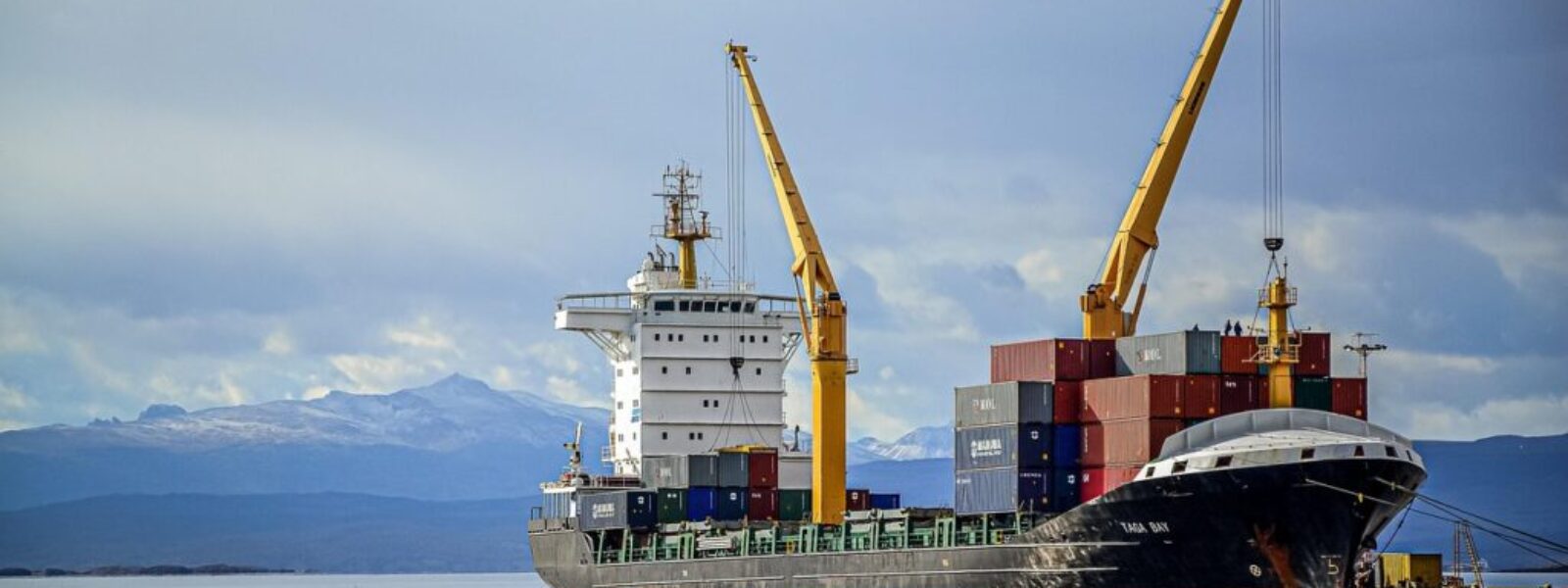
The ongoing water crisis at the Panama Canal has fundamentally altered US agricultural export patterns, with major grain shipments now taking dramatically longer routes to reach Asian markets. The canal’s reduced capacity has created bottlenecks that are forcing exporters to reconsider decades-old shipping strategies.
“We’re seeing a complete restructuring of how American grain reaches global markets,” said Maria Rodriguez, senior trade analyst at the Agricultural Export Council. “What used to be a predictable 21-day journey to Shanghai is now taking 35 days via alternative routes.”
Export Disruption Key Figures
The canal’s water levels have dropped to critical thresholds, limiting the size and number of vessels that can transit daily. This has particularly impacted bulk carriers loaded with corn, soybeans, and wheat destined for China, Japan, and South Korea – traditionally America’s largest agricultural export markets.
Shipping costs have surged accordingly, with freight rates for agricultural commodities increasing by 40% since January 2026. “Every day of delay translates to higher costs and potential spoilage, especially for perishable exports like fresh fruit,” noted Rodriguez.
Midwest Drought Compounds Export Challenges
Simultaneously, the worst drought conditions in the Midwest since 2012 have significantly reduced crop yields, creating a supply-side crisis that compounds the logistical challenges. The USDA revised its soybean production forecast downward by 12% in May, sending shockwaves through international markets.
“We’re facing a perfect storm of reduced domestic production and compromised export infrastructure,” explained Dr. James Patterson, agricultural economist at Iowa State University. “This combination is forcing US exporters to compete more aggressively for limited shipping capacity while dealing with smaller harvests.”
The drought has been particularly severe across Illinois, Indiana, and Ohio, traditionally the heart of America’s soybean production. Early estimates suggest corn yields could fall by 8-10% below average, further straining export commitments made earlier in the year.
Brazilian and Argentine producers have capitalized on the situation, increasing their market share in Asia as US suppliers struggle with delivery delays and higher prices. “South American exporters are gaining ground precisely when we can least afford to lose market share,” Patterson warned.
Industry Adapts to New Reality
Major agricultural trading companies are rapidly adapting their strategies to navigate this challenging environment. Cargill and ADM have both announced investments in alternative transportation networks, including increased rail capacity to East Coast ports and partnerships with shipping lines operating through the Suez Canal.
“The traditional export model is being stress-tested in real time,” said Rebecca Chen, logistics director at Midwest Grain Cooperative. “We’re exploring everything from rail-to-port alternatives to temporary storage solutions that allow us to wait for more favorable shipping windows.”
Some exporters are turning to smaller ports along the Gulf Coast that can accommodate vessels without Panama Canal transits. The Port of Mobile has reported a 25% increase in agricultural shipments as exporters seek alternatives to traditional New Orleans routes.
The shift has also accelerated adoption of digital logistics platforms that provide real-time visibility into shipping capacity and alternative routing options. “Technology is becoming critical for managing these complex logistics puzzles,” Chen explained.
Uncertain Future for Export Markets
Looking ahead, industry experts warn that these disruptions may represent a permanent shift rather than temporary challenges. Climate scientists project that water scarcity at the Panama Canal will likely persist, while changing weather patterns suggest more frequent droughts in key agricultural regions.
“We may be witnessing the beginning of a fundamental restructuring of global agricultural trade flows,” said Dr. Patterson. “The old assumptions about reliable shipping routes and predictable growing seasons no longer hold.”
The implications extend beyond immediate logistical challenges. Long-term contracts with Asian buyers are being renegotiated to account for delivery uncertainties, while some importers are diversifying their supplier base to reduce dependence on US exports.
Trade associations are urging federal investment in infrastructure resilience, including expansion of inland waterways and port capacity on both coasts. However, such investments would take years to materialize, leaving exporters to navigate continued uncertainty in the near term.