Auckland Real Estate Downturn Deepens as Foreign Investment Rules Bite
Auckland’s real estate market continues its steep decline with median house prices falling 18% year-on-year, driven by tightened foreign investment restrictions and sustained high interest rates. The downturn represents the most significant correction since the early 1990s recession.
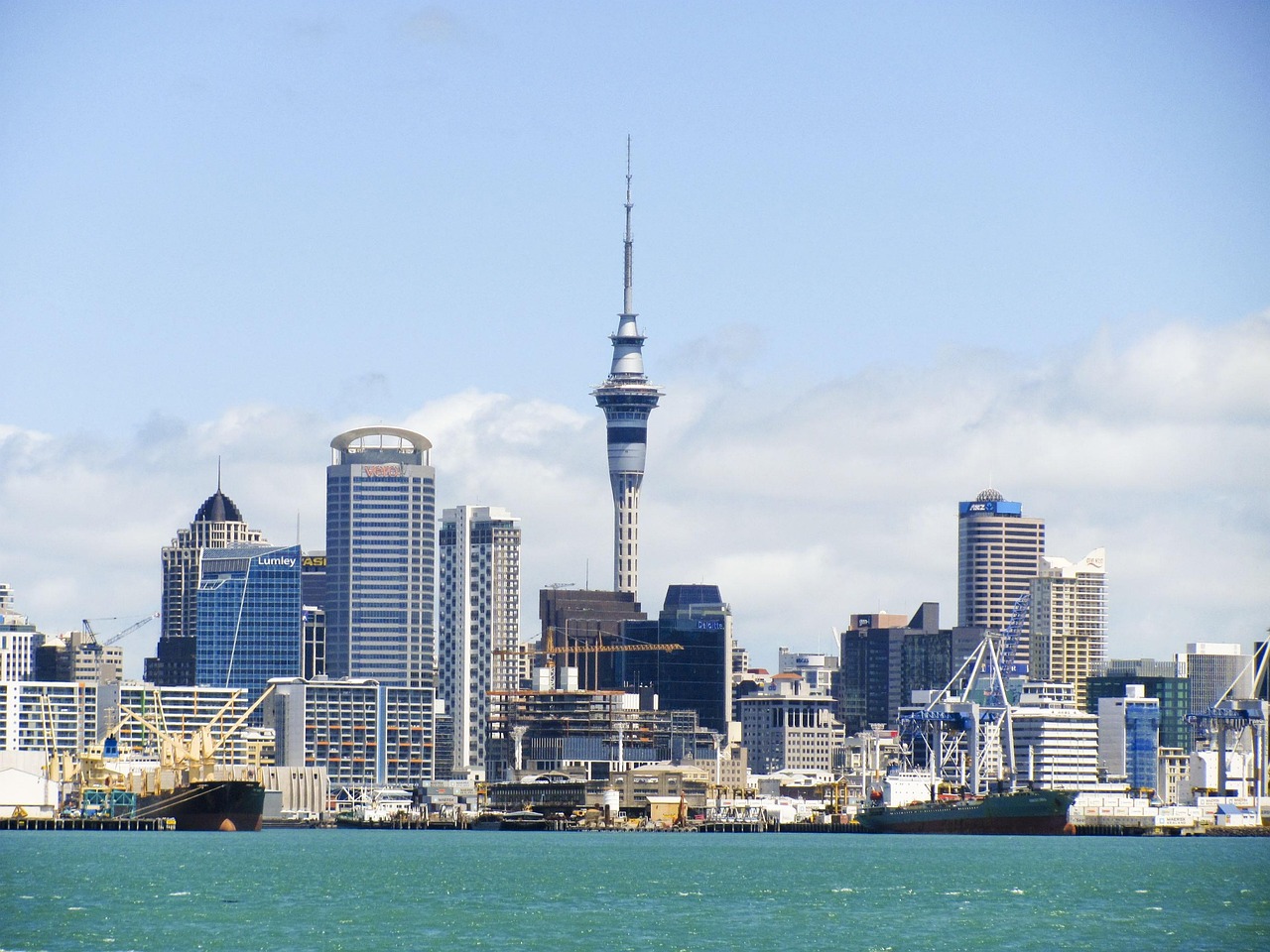
Auckland’s real estate market has entered its most challenging period in three decades, with fresh data revealing the combined impact of regulatory changes and economic headwinds has created a sustained correction that shows no signs of abating. The city’s median house price has dropped to $987,000 in May 2026, down from $1.2 million in the same period last year, marking an 18% decline that industry veterans are calling unprecedented in its speed and scope.
Auckland Property Market Decline
The foreign investment restrictions implemented in late 2025, which expanded the overseas buyer ban to include residential developments and land banking activities, have removed a crucial pillar of demand that propped up Auckland’s premium property segments for over a decade. Real Estate Institute data shows foreign buyer activity, which previously accounted for 12-15% of Auckland transactions, has virtually disappeared, with only 2.1% of sales involving overseas purchasers in the past quarter.
This regulatory tightening coincides with the Reserve Bank’s decision to maintain the Official Cash Rate at 6.25%, keeping mortgage rates elevated despite mounting evidence of economic slowdown. The dual pressure has created what industry analysts describe as a perfect storm, with first-home buyers priced out and existing homeowners reluctant to trade up in an uncertain market.
According to International Monetary Fund analysis, the finding showed New Zealand’s housing correction ranks among the steepest globally, with Auckland leading the decline across major metropolitan areas. The IMF noted particular concern about the pace of value destruction in the city’s outer suburbs, where affordability constraints have been most acute.
Commercial real estate has not escaped the downturn, with office vacancy rates in Auckland’s CBD climbing to 23%, the highest level since the pandemic’s peak impact. The shift toward hybrid working arrangements has permanently reduced demand for premium office space, while new supply continues to enter the market from developments commenced during the boom years.
Property developers are facing mounting pressure as pre-sales collapse and construction costs remain elevated. Several high-profile apartment projects in Auckland’s inner suburbs have been cancelled or indefinitely postponed, with developers citing an inability to secure sufficient buyer commitment at viable pricing levels. The situation mirrors the early stages of previous property corrections, where oversupply in certain segments creates cascading effects across the broader market.
Rental yields have paradoxically improved as purchase prices decline faster than rents, yet investors remain cautious given the uncertain trajectory of capital values. The rental market itself shows signs of softening, with vacancy rates in Auckland apartments increasing to 4.2%, well above the historical average of 2.8%.
Regional centres are experiencing varied impacts, with Hamilton and Tauranga showing more resilience than Auckland, though neither market has escaped the broader correction. Wellington’s government sector stability has provided some insulation, but even the capital is recording modest price declines as uncertainty spreads.
The construction sector faces particular challenges as the residential building pipeline shrinks dramatically. Consent numbers for new dwellings in Auckland dropped 34% in the first four months of 2026 compared with the previous year, suggesting the supply shortage that characterised the boom period may eventually reverse into oversupply concerns.
Industry veterans draw parallels to the 1991-1992 recession, when similar combinations of high interest rates and regulatory changes created sustained property market weakness. That correction saw Auckland house prices decline by approximately 20% in real terms over three years, a trajectory that current market dynamics appear to be tracking closely.
The government’s position remains that the foreign investment restrictions are working as intended, removing speculative demand and improving housing affordability for New Zealand residents. However, critics argue the policy has overcorrected, creating market instability that ultimately harms both buyers and sellers while undermining confidence in property as a long-term investment vehicle.
Economic forecasters increasingly expect the correction to extend well into 2027, with recovery dependent on a combination of interest rate reductions and stabilisation of global economic conditions. The Reserve Bank faces a delicate balancing act between supporting the property market through monetary easing and maintaining its inflation-fighting credentials as consumer prices remain elevated.
For Auckland’s real estate sector, the current downturn represents both a significant challenge and an eventual opportunity for market rebalancing. The question remains whether policymakers will maintain their restrictive stance as the social and economic costs of the correction become increasingly apparent across the broader economy.