Christchurch Commercial Property Market: 7 Things You Need to Know About the Post-Earthquake Recovery
Christchurch’s commercial property market is experiencing unprecedented growth as the city’s earthquake recovery enters its final phase. With values surging 15% in the past year alone, investors are eyeing opportunities while grappling with emerging supply constraints.
Fifteen years after the devastating 2011 earthquakes, Christchurch’s commercial property sector is finally hitting its stride. The city’s rebuild has created a modern, earthquake-resilient infrastructure that’s attracting both local and international investment, but questions remain about sustainability and long-term market fundamentals.
Christchurch Commercial Property Snapshot
1. Property Values Are Outpacing National Averages
Commercial property values in Christchurch have surged 15% over the past 12 months, significantly outperforming the national average of 8%. This growth is being driven by a combination of limited supply in prime locations and increasing demand from businesses seeking modern, compliant facilities.
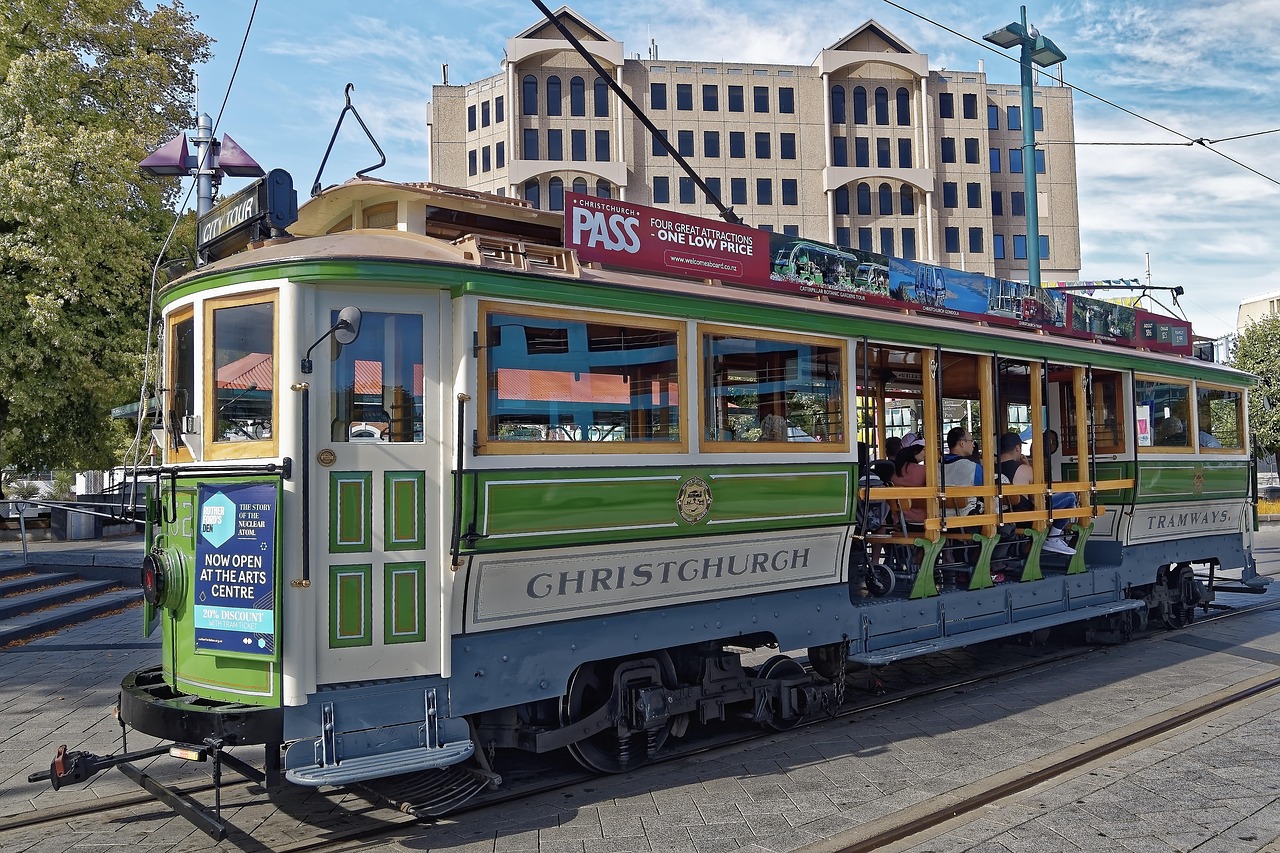
The Central Business District has seen the most dramatic increases, with premium office space now commanding rents of $450-500 per square metre annually. This represents a 40% increase from pre-earthquake levels, adjusted for inflation, signaling that the market has not only recovered but exceeded historical benchmarks.
However, this rapid appreciation raises concerns about a potential bubble. The last time Christchurch saw such aggressive price growth was in the mid-2000s, just before the global financial crisis exposed underlying market weaknesses.
2. Supply Constraints Are Creating Investment Opportunities
The city’s careful, planned rebuild has resulted in a shortage of available commercial space, particularly in the CBD. Only 12% of pre-earthquake commercial buildings have been rebuilt or refurbished, creating artificial scarcity that’s driving up values.
According to Colliers International, the finding showed that demand for Grade A office space exceeds supply by approximately 30,000 square metres. This imbalance is expected to persist for at least another two years, providing a window of opportunity for developers and investors.
Smart money is moving into mixed-use developments that combine retail, office, and residential components. These projects are benefiting from both the supply shortage and changing work patterns that favor flexible, multi-purpose spaces.
3. Government Anchor Projects Are Reshaping the Market
The completion of major anchor projects like Te Pae Christchurch Convention Centre and the Central Library has fundamentally altered the city’s commercial landscape. These developments have created new business districts and shifted foot traffic patterns, making some previously secondary locations highly desirable.
The justice and emergency services precinct has particularly benefited, with surrounding commercial properties seeing value increases of up to 25% as government workers and legal professionals establish operations nearby.
This government-led development model has provided stability and confidence that was missing in the immediate post-earthquake period, but it also means the market remains heavily dependent on public sector decisions rather than purely commercial drivers.
4. Seismic Standards Are Creating a Two-Tier Market
New building regulations introduced after the earthquakes have created a stark division between compliant and non-compliant properties. Buildings that meet current seismic standards are commanding significant premiums, while older structures face ongoing uncertainty about their long-term viability.
Properties built to 100% of current seismic standards are selling for 20-30% more than those at 67% compliance, which is the minimum legal requirement. This premium reflects both reduced insurance costs and tenant preference for safer buildings.
The challenge for investors is that retrofitting older buildings to higher standards often costs more than the resulting value increase, creating a dilemma about whether to hold, sell, or redevelop.
5. International Investment Is Flowing In
Foreign investors, particularly from Australia and Singapore, are showing renewed interest in Christchurch commercial property. The combination of relatively low entry prices compared to Auckland and Wellington, plus the attraction of modern, compliant buildings, is drawing international capital.
Australian superannuation funds have been particularly active, viewing Christchurch as an opportunity to gain exposure to New Zealand property at a discount to the main centres. This external investment is providing liquidity but also contributing to price pressure.
The risk is that international investors may have different exit strategies and risk tolerances than local players, potentially creating volatility if global economic conditions change or their portfolio priorities shift.
6. Retail Property Faces Structural Challenges
While office and industrial properties are thriving, retail commercial property in Christchurch tells a different story. The rise of online shopping, accelerated by the pandemic, has fundamentally changed retail space requirements and valuations.
Traditional shopping centres are struggling to maintain occupancy rates above 85%, and retail rents have remained flat despite overall market growth. The successful retail properties are those that have adapted to become experience-focused destinations rather than simple shopping venues.
Strip retail in suburban locations is performing better than CBD retail, reflecting changing consumer habits and the city’s ongoing decentralization. This trend suggests that retail property investors need to be highly selective about location and tenant mix.
7. Infrastructure Improvements Are Boosting Peripheral Areas
Significant investment in roading, public transport, and digital infrastructure is making previously peripheral areas of Christchurch more attractive for commercial development. The Northern and Western corridors are seeing increased interest as businesses seek lower-cost alternatives to the CBD.
These areas offer larger floor plates, better parking, and often superior earthquake resilience due to ground conditions. Industrial and logistics operators are particularly drawn to these locations, creating new commercial clusters that compete with traditional business districts.
The challenge is ensuring these developments don’t undermine the CBD recovery by creating oversupply in secondary locations. Urban planning decisions made now will determine whether Christchurch develops as a cohesive commercial centre or fragments into competing districts.
Looking ahead, Christchurch’s commercial property market appears set for continued growth, but the pace of increase is unsustainable long-term. Smart investors will focus on properties with strong fundamentals—modern seismic compliance, good transport links, and flexible floor plates—while remaining wary of the speculative froth that’s beginning to emerge in some market segments.