Christchurch Housing Supply Crisis Deepens as Council Delays Major Development Approvals
Christchurch’s housing development pipeline faces unprecedented strain as council approval delays stretch beyond 18 months, forcing developers to reconsider projects and threatening the city’s post-earthquake recovery momentum. Industry leaders warn the bottleneck could derail efforts to address the region’s chronic housing shortage.
Council processing times for major residential developments in Christchurch have blown out to an average of 18.3 months, compared to 8.2 months nationally, as the city grapples with a perfect storm of understaffing, complex post-earthquake regulations, and surging development applications.
Christchurch Development Crisis
The delays are forcing developers to pivot toward Auckland and Wellington markets, despite Christchurch offering more affordable land and stronger construction margins.
Developer Exodus Threatens Recovery
“We’ve got three major projects on hold because we simply can’t get certainty on timeframes,” says Marcus Webb, director at Canterbury Development Group. “When you’re carrying land costs and financing for nearly two years before you can even break ground, the economics don’t stack up.”
Webb’s company has shifted two planned developments worth $85 million to Hamilton and Tauranga, citing regulatory uncertainty in Christchurch.
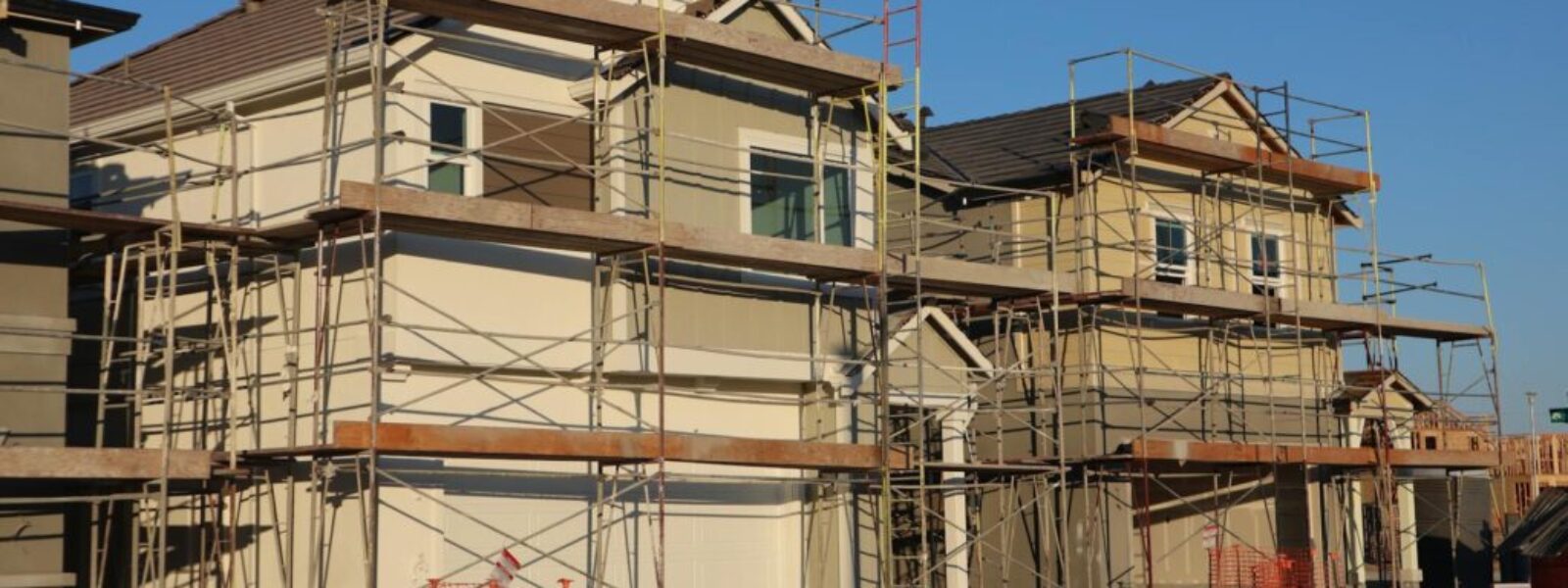
The bottleneck is particularly acute for medium-density housing projects, which require complex assessments under the city’s post-earthquake planning framework. According to Real Estate Institute of New Zealand, the finding showed Christchurch recorded its lowest new dwelling consent numbers in four years during the first quarter of 2026.
Council Under Pressure
Christchurch City Council planning manager Sarah Mitchell acknowledges the delays but points to resource constraints and the complexity of post-earthquake regulations as key factors.
“We’re dealing with a 40% increase in development applications while operating with the same staffing levels as 2023,” Mitchell explains. “Every application requires detailed geotechnical assessment and compliance with earthquake resilience standards that simply don’t exist elsewhere in New Zealand.”
The council has allocated an additional $2.8 million to hire six new planning staff, but recruitment challenges mean new hires won’t be operational until late 2026.
Market Impact Spreads
The delays are rippling through Christchurch’s property market, with house price growth accelerating as supply constraints bite. Median house prices in Greater Christchurch rose 8.4% year-on-year in April, the fastest pace since 2021.
“We’re seeing the opposite of what the city needs,” warns property economist Brad Olsen. “Demand is growing as the city recovers, but supply is being choked off by regulatory bottlenecks. It’s creating artificial scarcity in a market that should be leading New Zealand’s housing affordability recovery.”
Local builders are also feeling the pinch, with several major construction firms reducing their Christchurch workforce as project pipelines dry up.
Political Pressure Mounts
The delays have drawn criticism from both central government and local business groups, with Building and Construction Minister Chris Penk flagging potential intervention if improvements aren’t seen by year-end.
“Christchurch was meant to be New Zealand’s showcase for efficient urban development post-earthquake,” Penk stated last week. “Instead, we’re seeing a regulatory environment that’s actually hampering recovery and affordability.”
Canterbury Employers’ Chamber of Commerce chief executive Leeann Watson says the delays are undermining business confidence in the region’s growth prospects.
The council has committed to quarterly progress reports and is exploring digital processing systems to streamline approvals, but industry observers remain skeptical about meaningful improvement before 2027. With housing demand continuing to outstrip supply, Christchurch risks losing its post-earthquake competitive advantage in New Zealand’s property market.